Last updated November 22, 2026
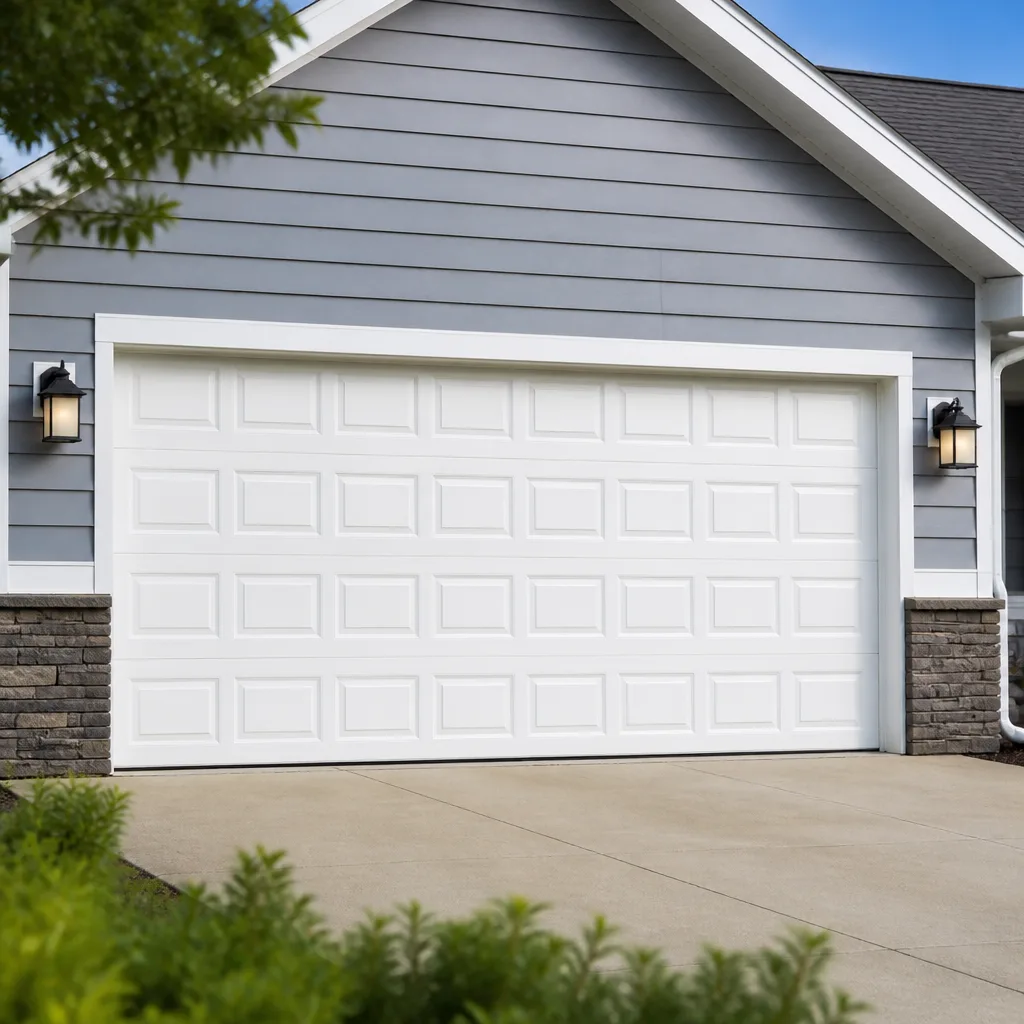 Raised-panel steel
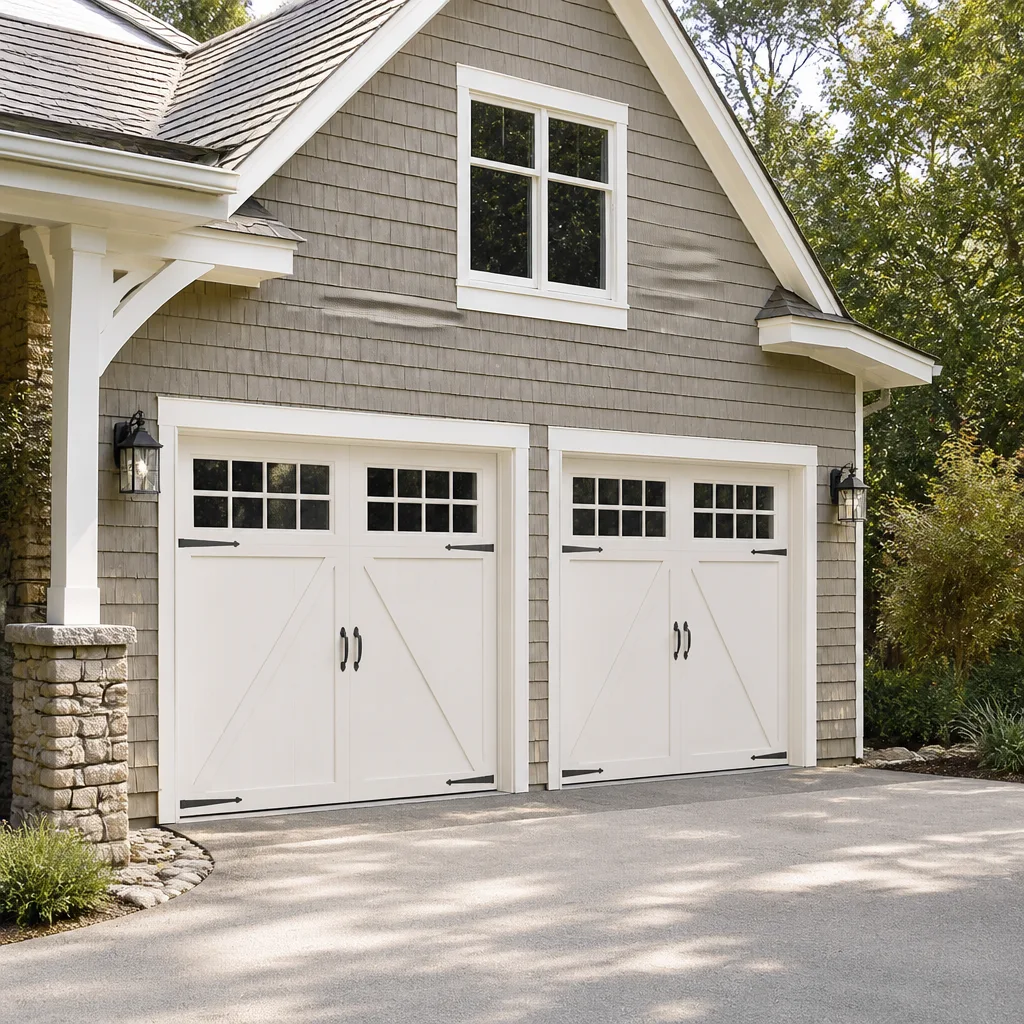 Carriage house
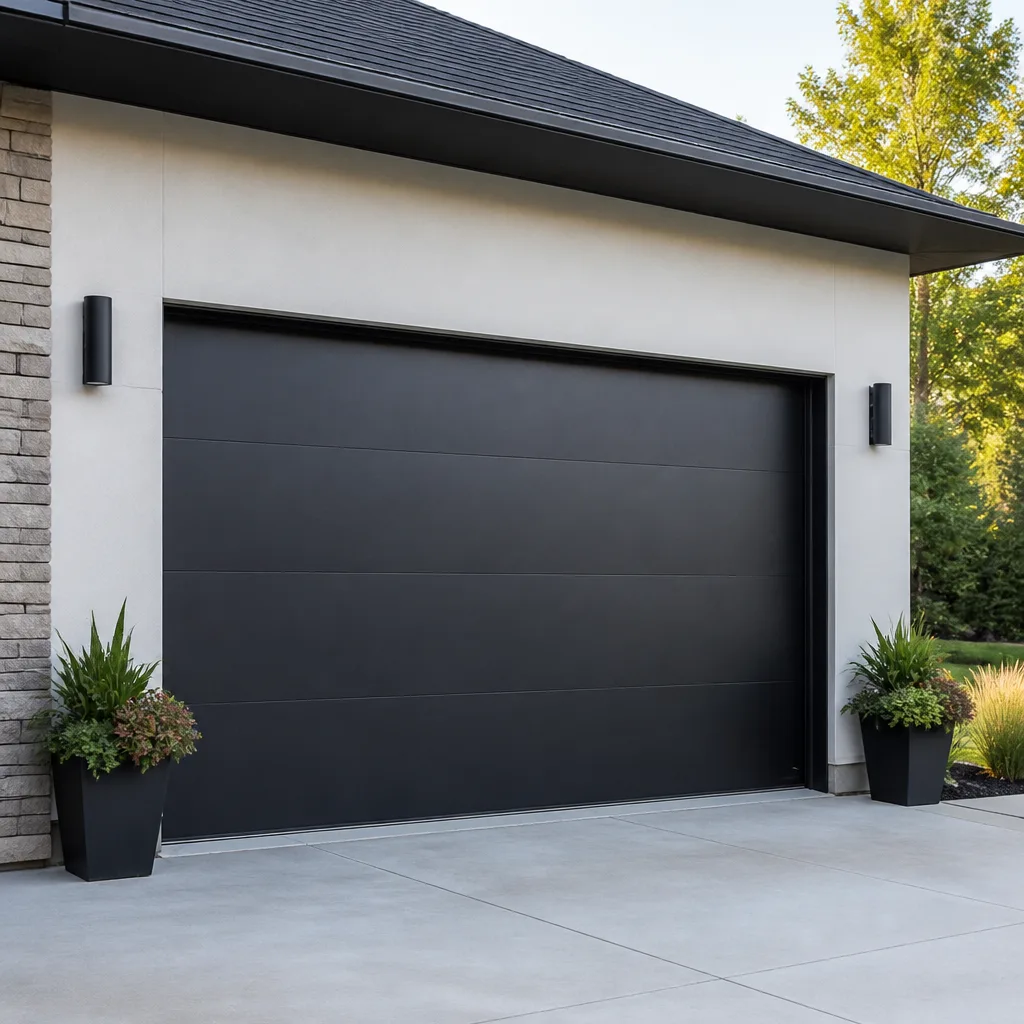 Modern flush
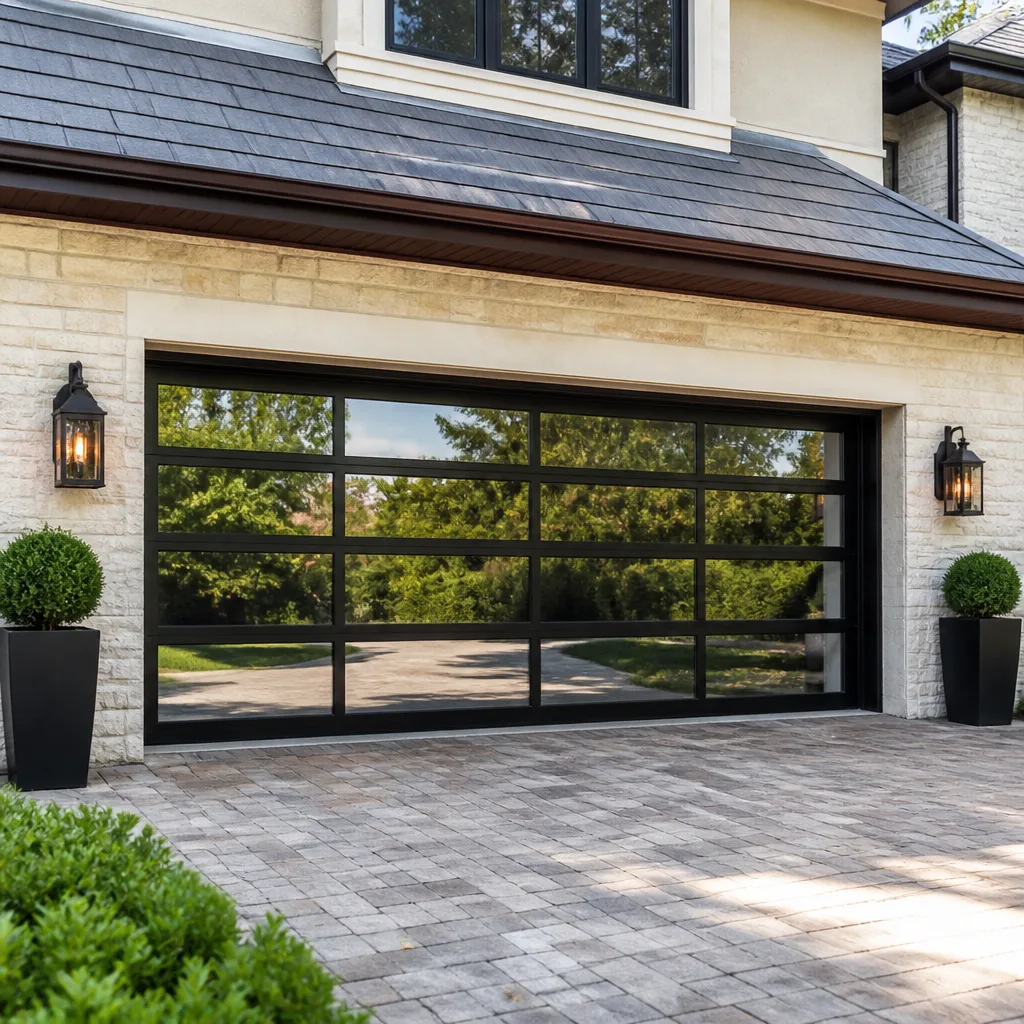 Full-view glass
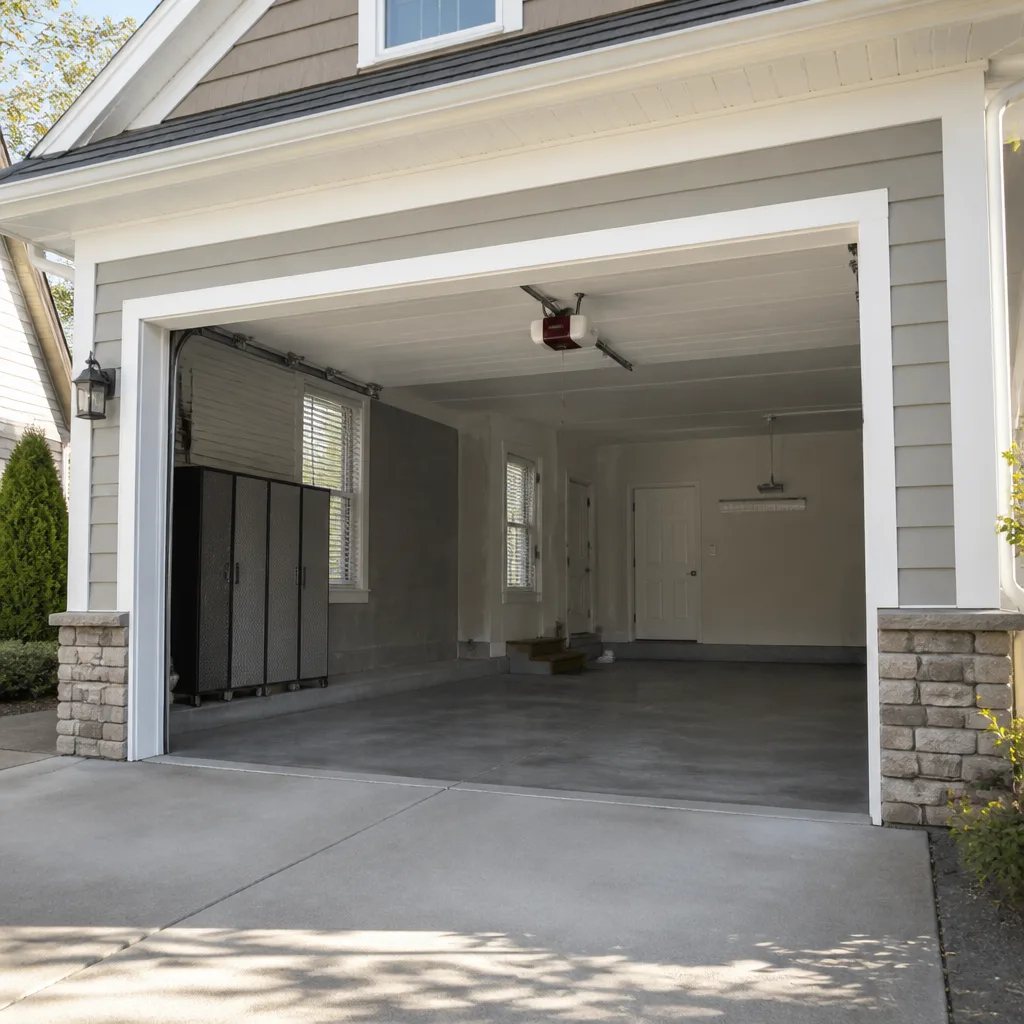 LiftMaster openers
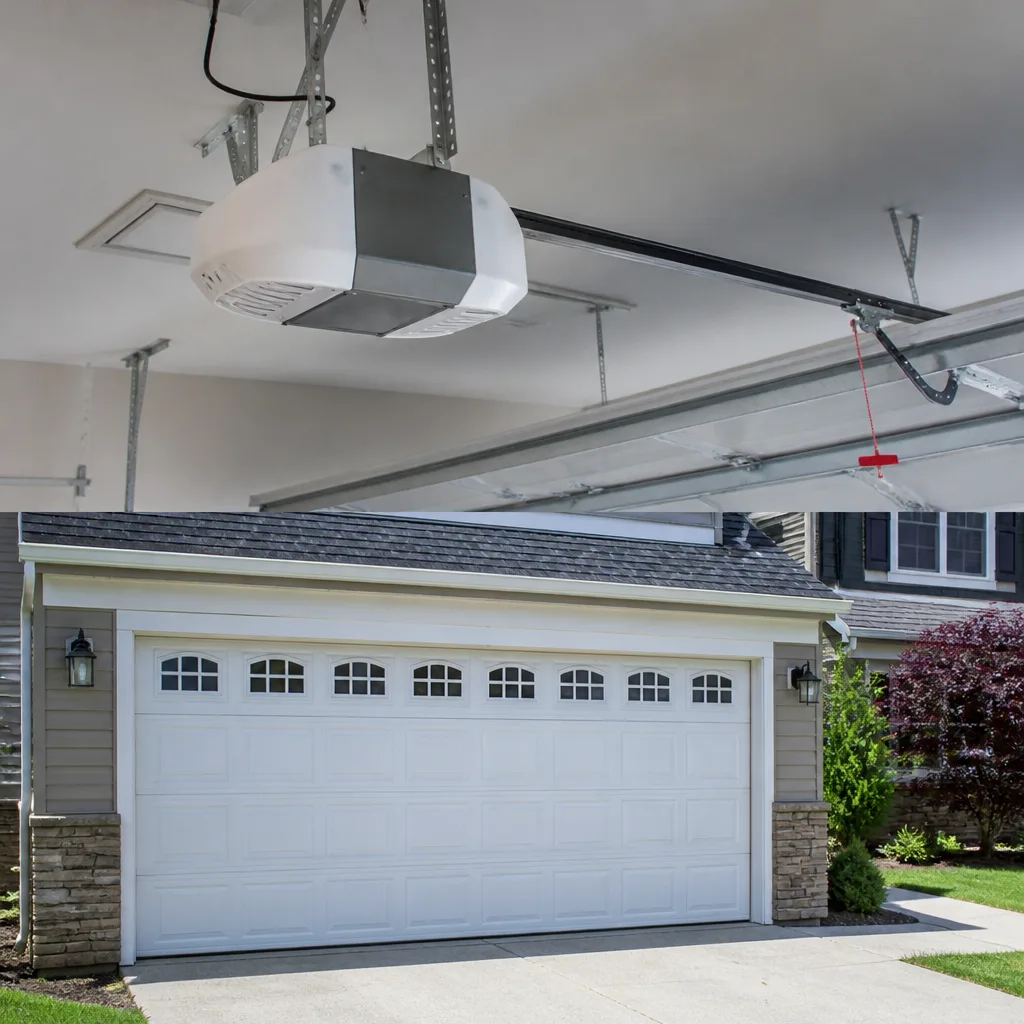 Chamberlain openers
Full 25-point door and opener safety check with every visit - springs, cables, rollers, tracks, and your LiftMaster or Chamberlain opener included
You get a price before we start. It does not change when the pro arrives.
Get your free estimateDIY vs Professional Garage Door: The Camden Homeowner’s Decision Guide
Most garage door advice online treats the DIY question as a matter of confidence. It isn’t. Torsion springs store roughly 100 ft-lbs of torque when wound, enough force to cause a serious injury in under a second. The line between what you can safely handle and what you can’t isn’t drawn by skill or experience; it’s drawn by physics, and no tutorial changes the physics. What you’ll get from this guide is a clear map of that line: which garage door tasks are genuinely reasonable for a homeowner in Camden to take on, which ones require professional tools and training no matter how handy you are, what each path really costs once you’re honest about time and tools, and how to talk to a technician if you’ve already started a repair and gotten stuck.
Quick Answer
In Camden, the DIY-versus-professional decision splits cleanly at the spring line: weatherseal replacement, sensor realignment, remote programming, and basic visual checks are reasonable homeowner tasks, while anything involving torsion springs, cables, drums, or the door’s counterbalance system requires a trained technician with the right winding bars and knowledge. The rest falls in between and depends on your comfort with the specific job, your warranty, and how much time you can honestly spend on it.
Key Takeaways
- Torsion springs store extreme force and are the single most dangerous component in any garage door system.
- Cosmetic and sensor-level tasks are realistic DIY projects for a careful homeowner.
- Professional spring work is priced per spring, and paired springs are usually replaced together.
- Some DIY actions void manufacturer warranties on the door or opener; others don’t.
- Being upfront about a failed DIY attempt speeds up the professional repair and often lowers the final bill.
- Garage Door Repair Camden offers free estimates and can be reached at (877) 256-1677.
Styles & brands we work with
- Raised-panel steel
- Carriage house
- Modern flush
- Full-view glass
- LiftMaster openers
- Chamberlain openers
Table of Contents
- The Mechanical Boundary: What You Can Safely Touch and What You Can’t
- Cost-Benefit Reality Check: DIY Parts vs Professional Pricing
- Where DIY Actually Makes Sense: Tasks, Tools, and Brief Guidance
- What “Voiding the Warranty” Really Means for Garage Doors
- Why Springs Are Different: A Safety Primer for Camden Homeowners
- How to Diagnose Your Door Before You Decide
- Already Started a Repair? How to Talk to a Technician
- Brand Matters Less Than You Think (But It Does Matter)
The Mechanical Boundary: What You Can Safely Touch and What You Can’t
Picture a horizontal line running across your garage door at about chest height when the door is closed. Everything above that line, the panels, hinges, rollers, tracks, weatherseal, and the opener unit mounted to the ceiling, is generally accessible to a careful homeowner. Everything at or below that line in the counterbalance system, the torsion springs, the lift cables, the drums, and the bottom brackets holding cable tension, is where professional territory begins. That’s the whole decision framework. It’s not about intelligence or YouTube proficiency. It’s about whether a component can hurt you if something slips.
Here’s the practical breakdown of who should handle what:
- Safe for most homeowners: weatherseal replacement, sensor alignment, remote and keypad programming, visual inspection, lubricating hinges and rollers, tightening loose bolts, and cleaning the tracks.
- Judgment call: roller replacement on a door that’s fully raised and locked out, track adjustment on minor dents, and opener force-limit adjustments.
- Professional only: torsion spring replacement, extension spring replacement, cable replacement, drum work, bottom bracket work, panel replacement that involves removing lift cables, and any adjustment to a counterbalance system that’s already under tension.
The reason this line matters more in a place like Camden than people expect is climate. Camden winters bring freeze-thaw cycles that work on metal, seal, and lubricant repeatedly over the season. A weatherseal that looks minor in July is doing real work in January, and a track that’s off by a fraction of an inch in fall will bind harder once cold makes the metal contract. That doesn’t make those jobs professional-only, but it does mean the timeline for addressing them is tighter than a mild-climate guide will tell you.
We’ve watched plenty of homeowners cross this line without realizing it. The most common scenario: someone replaces one spring on a two-spring door, gets the door moving, and doesn’t replace the paired spring. Then the second spring fails weeks later and the door comes down uneven. When that happens, the local professional we connect you with can usually sort it out, but the cost of doing it right the first time would have been less.
Cost-Benefit Reality Check: DIY Parts vs Professional Pricing
DIY looks cheaper on paper because you’re comparing a parts order against a service invoice. That’s the wrong comparison. The honest comparison includes your time, the specialty tools you’ll buy and possibly never use again, the second trip to the hardware store when the first part is wrong, and the risk of a warranty claim being denied because the repair wasn’t done to spec. When you add those, the gap narrows considerably for anything more involved than a weatherseal or a sensor fix.
Here are typical estimated ranges homeowners see in the Camden area:
| Task | Typical DIY Cost (parts) | Typical Professional Cost (estimate) | Worth Doing Yourself? |
|---|---|---|---|
| Weatherseal replacement | Low, parts only | Estimate varies with door width | Yes, for a careful homeowner |
| Sensor realignment | None, or a few dollars | Usually bundled with a service call | Yes |
| Remote or keypad programming | None | Usually bundled | Yes |
| Roller replacement (full set) | Parts plus your afternoon | Estimate depends on door type | Judgment call |
| Single torsion spring replacement | Parts are cheap; risk is high | Priced per spring | No |
| Paired torsion springs (two springs) | Roughly double the single-spring parts | Roughly double the single-spring estimate | No |
| Cable replacement | Parts are cheap; risk is extreme | Estimate depends on setup | No |
| Opener replacement | Parts plus wiring work | Estimate depends on opener and door | Possible for an experienced DIYer, but warranty is a factor |
Two notes on that table. First, spring pricing is per spring, and a matched pair is usually replaced together. If you have two torsion springs, expect a pair estimate to be roughly twice a single-spring estimate, not the same number. Second, the professional estimate includes diagnosis, the part, the labor, and the confidence that the door’s balance is correct when the job is finished. That last part matters most.
Where DIY goes wrong financially isn’t usually the repair itself. It’s the follow-up. A mis-set opener force limit burns out the opener’s gear assembly. A DIY roller swap that leaves one roller loose causes a track to migrate. A door that’s off-balance after a partial repair stresses the whole system. Each of those turns a small job into a bigger one, and the final bill is higher than the original professional quote would have been. When you call for a professional estimate, the price is quoted and agreed before any work starts; there’s no surprise invoice at the end. Call (877) 256-1677 if you’d like a free estimate before deciding.
Where DIY Actually Makes Sense: Tasks, Tools, and Brief Guidance
Let’s give DIY its due. Several garage door tasks are genuinely reasonable for a homeowner in Camden to take on, and doing them yourself saves money and helps you learn your door. Here are the three that make the most sense, plus brief guidance on each.
1. Weatherseal replacement
The bottom seal on your door wears out, especially after a Camden winter. You’ll know because you can see daylight under the door or hear wind coming through. This is a straightforward job:
- Measure the width of your door and the profile of the seal (the cross-section shape of the existing seal).
- Order a matching seal from a garage door supply store or hardware store.
- Pull the old seal out of the bottom retainer; most slide out at one end.
- Slide the new seal in, trim to length, and close the door to check for even contact with the floor.
No spring work, no cable work, no risk of anything releasing under tension. This is a good Saturday morning project – and yes, we use Saturday as a DIY day, not a service day.
2. Sensor realignment
Safety sensors at the bottom of your tracks have LED indicators. If the sending sensor’s light is solid and the receiving sensor’s light is off or flickering, alignment is the issue. Loosen the wing nut on the sensor bracket, adjust it until both lights are solid, and retighten. Check it by running the door down and waving an object across the beam. If the door reverses, you’re aligned.
3. Remote and keypad programming
All major openers – LiftMaster, Chamberlain, Genie, Craftsman, and the rest – let you pair a new remote by pressing a learn button on the opener motor unit and then pressing a button on the remote within a short window. Keypad programming is similar. Your opener’s manual will have the exact button pattern. This is zero-risk work and takes minutes.
Two tasks often listed as DIY that we’d put in the judgment-call bucket: roller replacement and minor track adjustment. Both require the door to be fully raised and locked out, and both require you to understand what holds what. They’re not dangerous the way springs are, but they’re not a casual afternoon project either.
What “Voiding the Warranty” Really Means for Garage Doors
Manufacturers don’t void your warranty because you opened the door panel or changed a seal. They void it, or deny a specific claim, when the repair in question was caused by or performed in a way the manufacturer considers improper. In practice, that splits into two warranty areas: the door’s mechanical warranty, which usually covers panels, hardware, and finish; and the opener’s warranty, which covers the motor, electronics, and associated parts.
Here’s the honest split:
- DIY actions that generally don’t trigger a warranty issue: weatherseal replacement, sensor alignment, remote programming, lubrication, cleaning, and visual inspection. These are maintenance tasks; manufacturers expect homeowners to do them.
- DIY actions that often do: any work on springs, cables, or counterbalance components using non-OEM parts; opener repair done without following the manufacturer’s specified procedure; and any repair that causes a subsequent failure the manufacturer can trace back to improper installation.
If your door is a Clopay, Amarr, Wayne Dalton, or Raynor model, there’s a further wrinkle: those manufacturers publish specific requirements about which parts meet the spec for their doors, and some warranty claims hinge on whether a matching part was used. A brand-agnostic professional who works with all of those brands will know what a valid part substitution looks like for your specific door, and that’s one of the less obvious reasons to have one handle the work.
If you’re unsure whether a repair would affect your warranty, the answer is usually in the owner’s manual that came with the door or opener. It’s usually under a section called “exclusions” or “what this warranty does not cover.” If you can’t find the manual, most manufacturers have it online.
Why Springs Are Different: A Safety Primer for Camden Homeowners
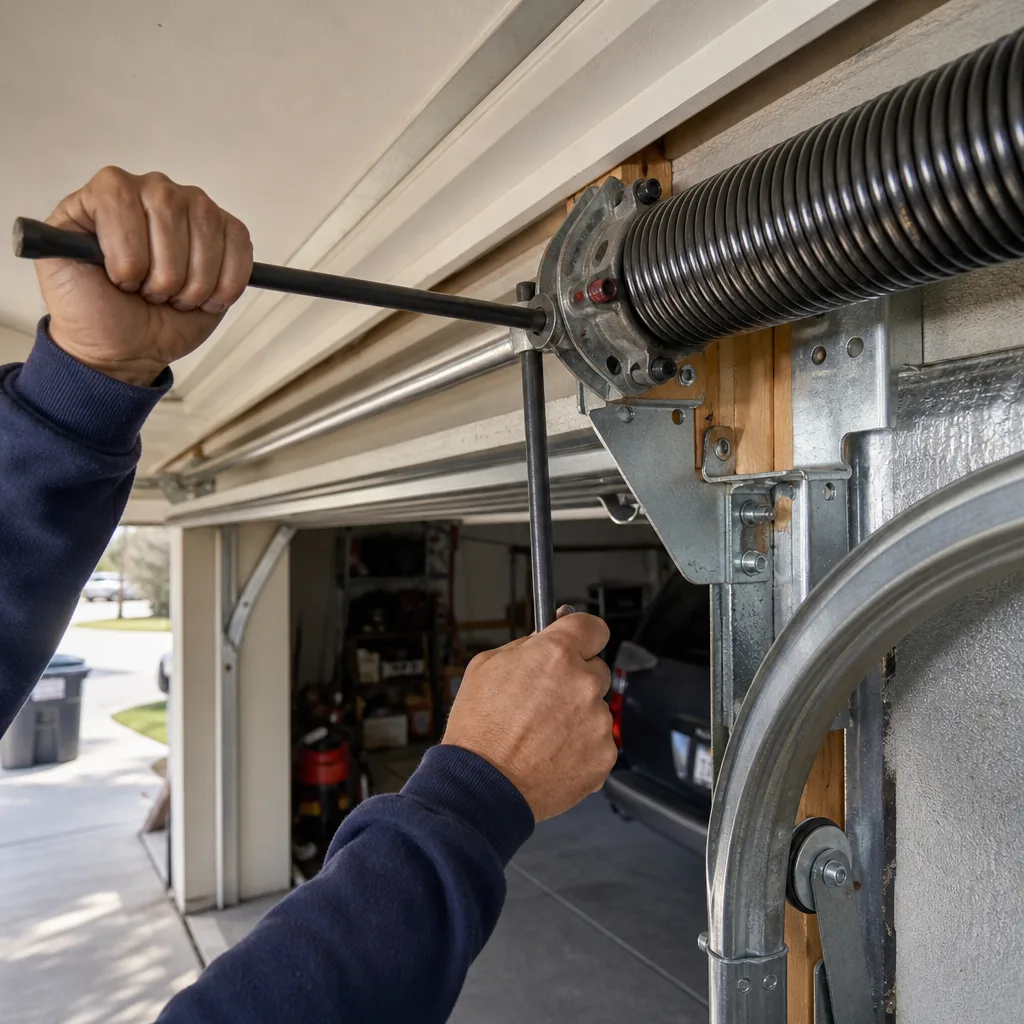
A wound torsion spring holds the entire weight of your garage door in suspension. To wind it, a technician uses two steel winding bars inserted into the spring’s cone, incrementally adding tension. If a bar slips out of the cone while the spring is loaded, the bar becomes a projectile and the spring uncoils in a fraction of a second. There is no warning and no time to react. The same applies to lift cables: a cable under tension that lets go can whip with enough force to break a bone or worse.
This is not a skill issue. An experienced DIYer who understands mechanical systems is still exposed to the same physics as someone who doesn’t. The tools matter, but the training matters more: knowing how many turns a specific spring requires for a specific door weight, knowing when a spring has fatigued versus when it’s physically broken, knowing how to safely de-tension a wound spring before removing it. Those are things that come from doing the work repeatedly under supervision, not from a video.
If your spring has broken, the door is unsafe to operate manually or with the opener. Don’t try to open it to “see what’s wrong.” If your door is stuck halfway up, call for emergency service. We offer dedicated garage door repair and can be reached at (877) 256-1677 to schedule an emergency call or a same-day repair visit. If your door fails on a Saturday, when we’re closed, we’ll book you for Sunday when we reopen.
How to Diagnose Your Door Before You Decide
Before you decide whether to call or DIY, spend five minutes running this check. It’ll tell you what kind of problem you have:
- Look at the door from outside. Are the panels straight? Any visible gaps, dents, or misalignment? Panels out of line usually mean a balance issue, not a cosmetic one.
- Listen when you open it. A grinding, scraping, or popping sound is a mechanical problem. A smooth hum with a rattle at the end is usually hardware or track related.
- Check the balance. Disconnect the opener using the manual release pull (the red cord). Lift the door about halfway and let go. A balanced door stays put. A door that drops on its own has a spring problem; a door that won’t go up has a spring problem too.
- Check the sensors. Both sensor LEDs should be solid, not flickering. If one is off, suspect alignment or a wiring issue.
- Check the opener’s response. If the door reverses immediately after closing, check the sensors and the force-limit setting on the opener. If the opener runs but the door doesn’t move, you may have a stripped gear or a broken spring.
If your diagnosis lands on springs, cables, or “I’m not sure,” call a professional. If it lands on sensors, seal, or remote programming, you can probably handle it. If it lands on opener electronics, it depends on your comfort with wiring and whether the opener is a model you’ve worked on before. Our garage door opener repair team works with LiftMaster, Chamberlain, Genie, and Craftsman, so if you’re unsure, a call costs you nothing but a minute.
A note for Camden homeowners specifically: our winters are hard on tracks and springs. If your door is more than a few seasons old and the symptoms appeared suddenly as the weather turned cold, that’s a strong signal the problem is mechanical, not electronic. Cold contracts metal and increases spring stress; a door that was fine in September can fail in January without anything else changing.
Already Started a Repair? How to Talk to a Technician
If you tried a repair and got stuck, the most useful thing you can do is tell the technician exactly what you did. Don’t hide the attempt. The technician’s job gets harder and your bill gets higher when they have to diagnose a problem that started as one thing and was modified into another. Be specific about four things:
- What you removed, loosened, or replaced. Name the part if you know it. If you don’t know the name, describe where it was.
- What tool you used and how much force. “I used a screwdriver to try to unstick the roller” tells the technician more than “I tried to fix it.”
- Whether anything slipped, released, or made a sudden noise. Even if nothing broke, a released component during a repair attempt means the door should be inspected for secondary damage.
- Whether the door is currently safely shut. If the door is stuck open or halfway, say so when you call, so the right equipment and safety plan are in place.
Honesty doesn’t make the job more expensive. It makes it faster. When a technician knows the door may have been partially disassembled, they check the right things first instead of running a full diagnosis. And a free estimate is still a free estimate: the technician will look at the door, tell you what’s wrong, and quote you a price before any work starts. You can decide from there.
We connect Camden homeowners with technicians who have up to 10 years of experience and who work on the whole system: door, springs, and opener. That matters when a repair attempt has left the door in an ambiguous state. You don’t have to call one company for the opener and another for the springs. For a full replacement after a failed attempt, our garage door installation service handles new doors from Clopay, Amarr, Wayne Dalton, and Raynor.
Brand Matters Less Than You Think (But It Does Matter)
Homeowners often ask whether their brand makes DIY more or less advisable. The honest answer is that brand matters less than component, but it matters more than people assume when it comes to parts compatibility and warranty. A spring is a spring; it’s rated by wire gauge, inside diameter, and length. But the spring that matches your specific door weight is the one that lets the door balance, and the manufacturer’s spec for that door is what a warranty claim depends on.
Where brand does matter in the DIY decision:
- Clopay doors have specific spring and hardware specs by model line, and aftermarket parts that don’t match can cause balance problems.
- Amarr and Wayne Dalton doors occasionally have proprietary hinge or roller designs that don’t accept generic replacements.
- Raynor systems sometimes use opener or spring configurations that require specific parts.
- Craftsman openers older than the current generation may have remote and keypad compatibility limits.
If you’re doing a DIY task that doesn’t involve these parts (sensor alignment, weatherseal, remote programming), brand is irrelevant. If you’re doing anything involving the balance system, brand is central. This is one of the reasons we positioned ourselves as brand-agnostic: a dealer who only services one brand has an incentive to recommend that brand’s part. A technician who works across brands is looking at your actual door, not their inventory. If you’re not sure whether your brand falls into the proprietary-parts category, call (877) 256-1677 and ask before you order anything.
Common Mistakes to Avoid
- Replacing one spring when you have two. A paired spring door needs both springs replaced together. If one is new and one is old, the door is unbalanced and the older spring wears faster. Do both and be done with it.
- Using a screwdriver to try to unstick a roller. Rollers can release suddenly under tension and the tool becomes a projectile. This is one of the most common injuries we hear about.
- Ignoring a door that reverses on its own. A door that reverses during close usually means a sensor or force-limit issue, but it can also mean a spring is failing. Don’t just keep resetting it.
- Skipping weatherseal maintenance before winter. In Camden, a worn seal lets cold air in and moisture against the door frame. That’s a cheap fix that prevents expensive problems.
- Programming a new remote without checking the opener’s compatibility. Not every remote works with every opener; check the model before ordering.
- Trying to lift a door with a broken spring manually. A door that’s off-balance can fall and is a serious injury risk. Leave it closed and call.
- Assuming the warranty is void because you did any DIY. Maintenance tasks don’t void anything. Read the warranty before you assume the worst.
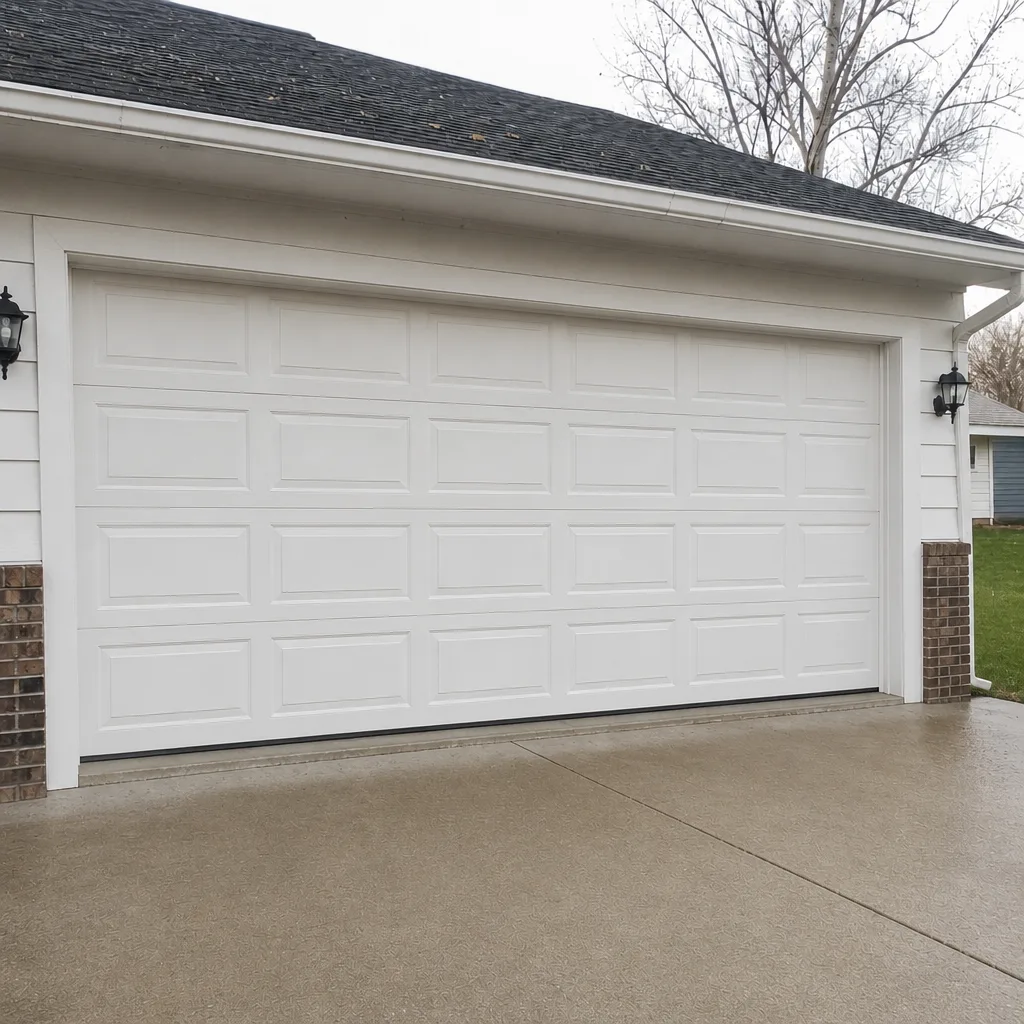
See the difference
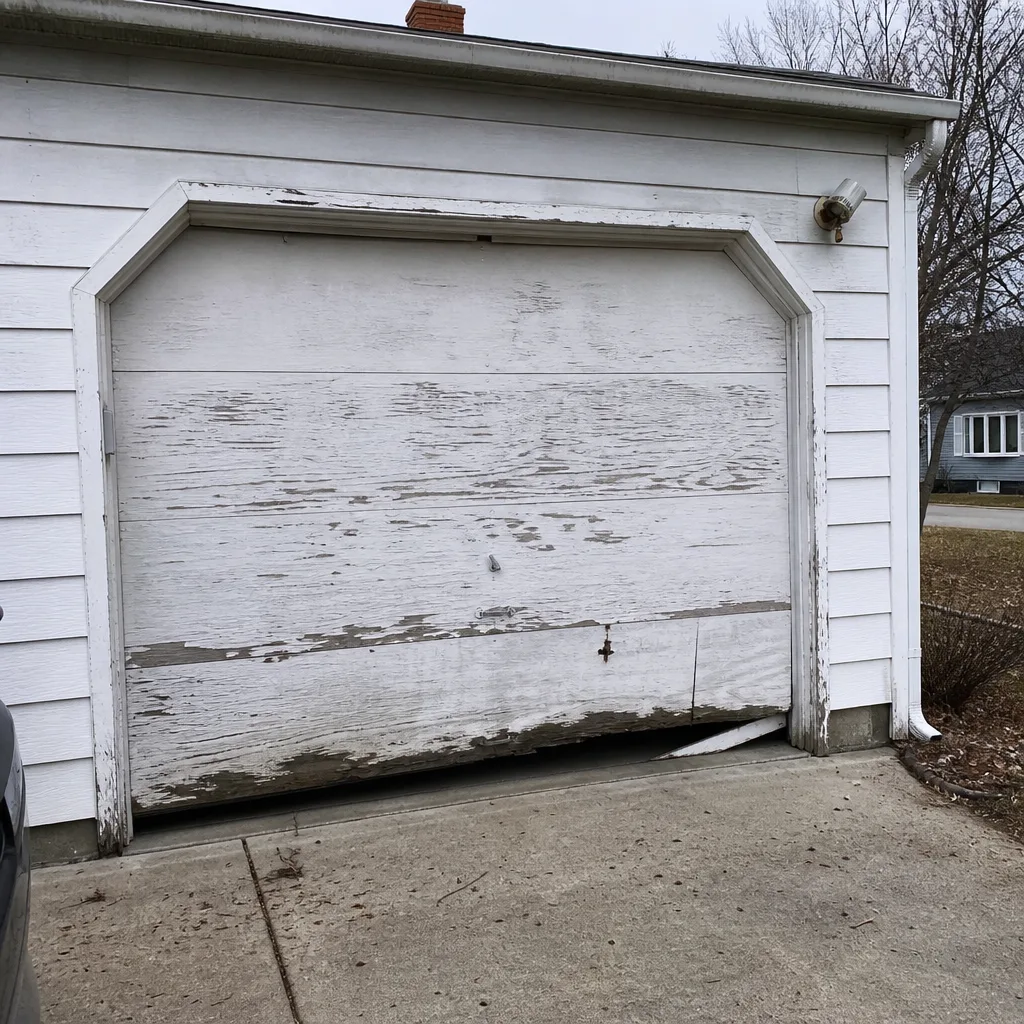 Before
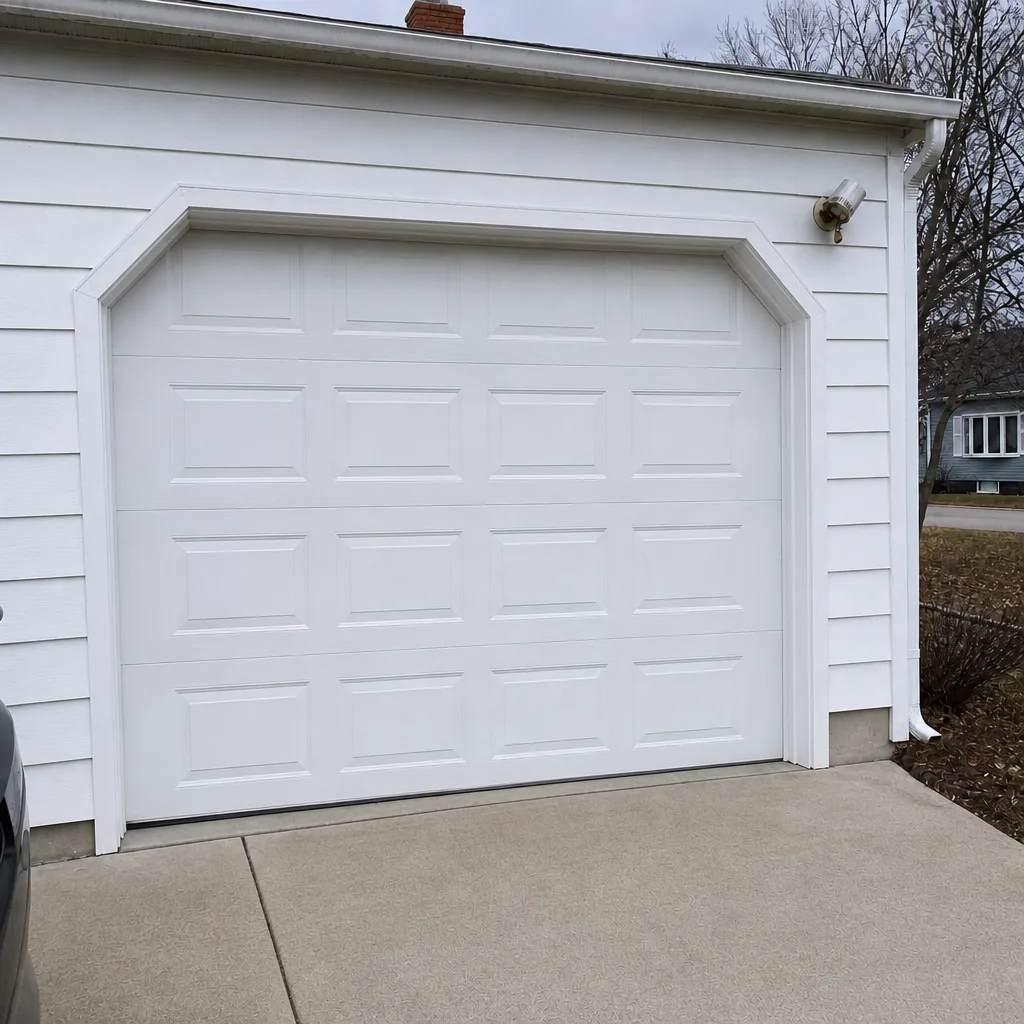 After
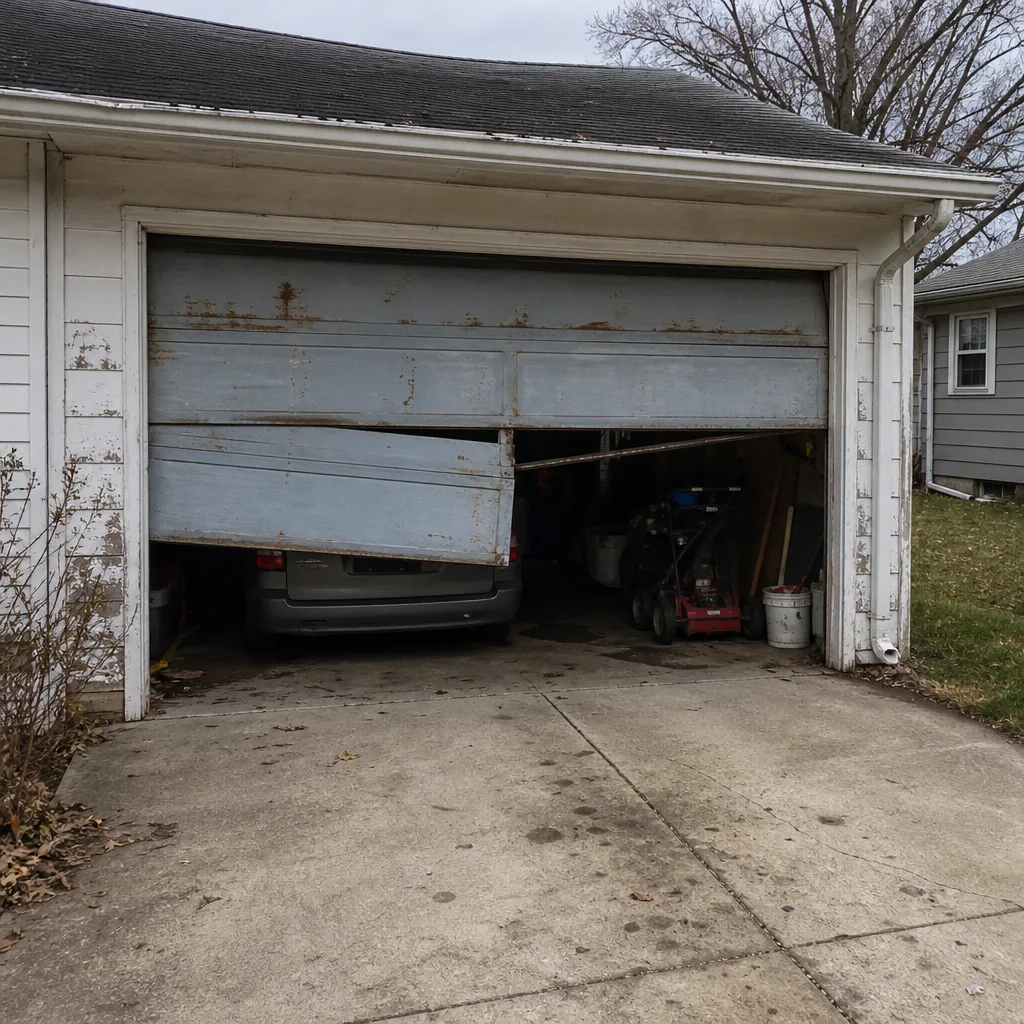 Before
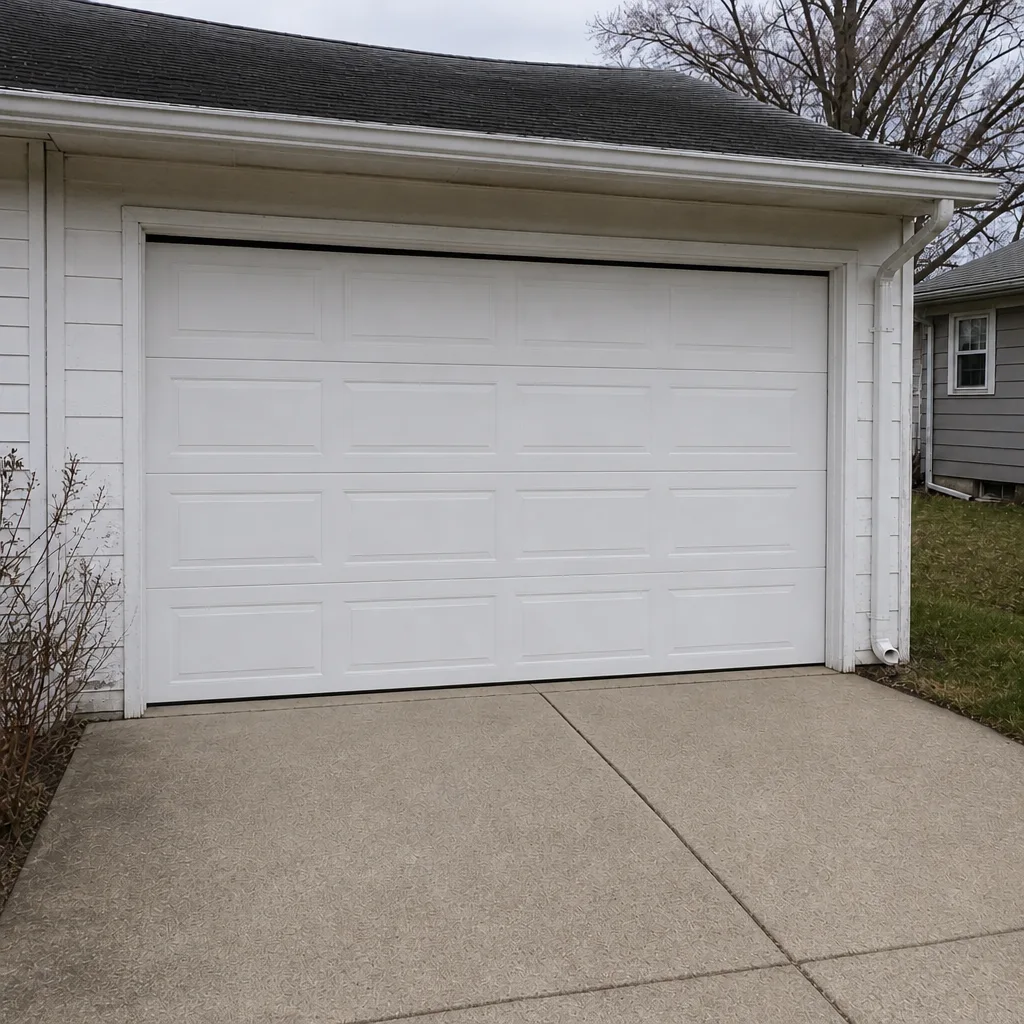 After
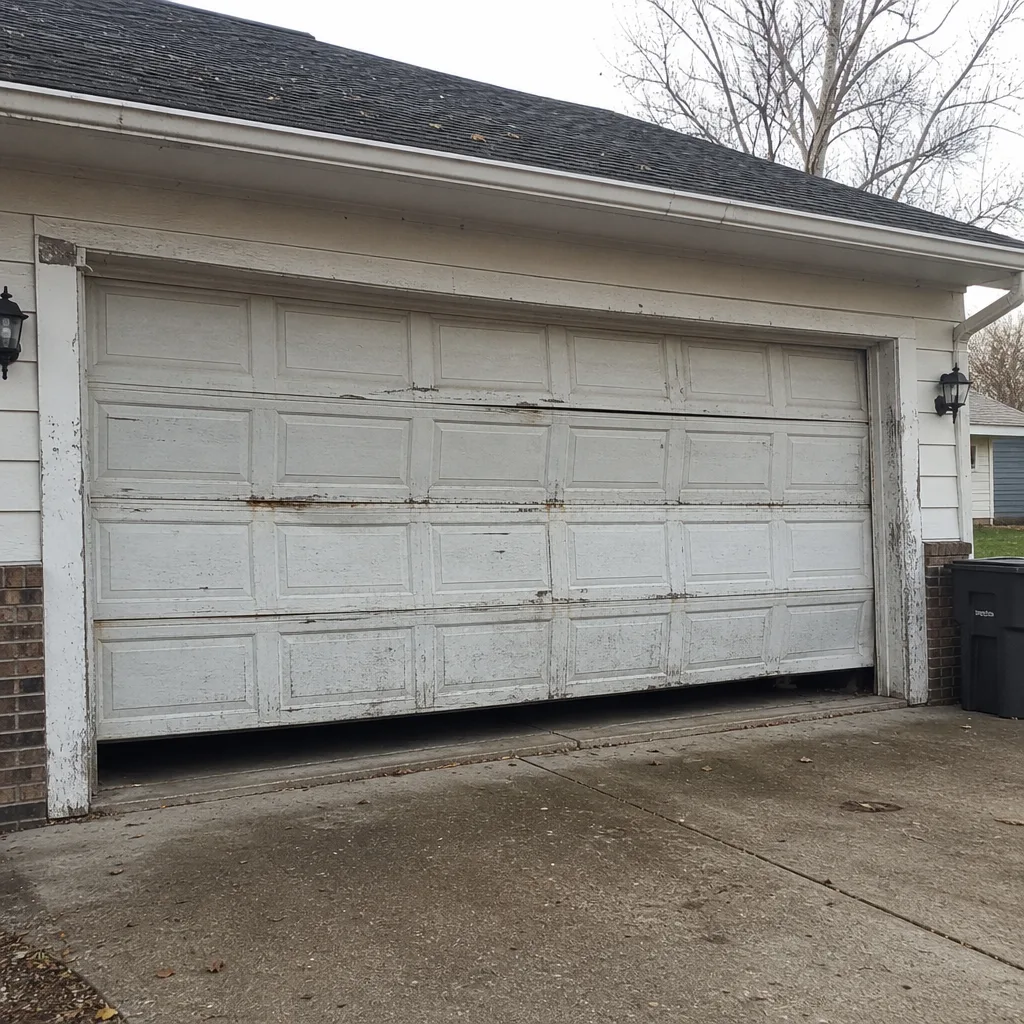 Before
 After
When to Call a Professional
Call a professional for anything involving springs, cables, drums, or bottom brackets. Call for a door that’s off its tracks. Call if your door reverses repeatedly and sensor alignment doesn’t fix it. Call if the opener runs but the door doesn’t move. Call if the door is stuck open or halfway and you can’t safely close it. Call if you started a repair and got stuck, or if you’re not sure what’s wrong. And call before you order parts for a balance-system repair; a professional quote is free and takes the guesswork out of it.
Garage Door Repair Camden offers free estimates in Camden and can be reached at (877) 256-1677, open Sunday through Friday, 7am to 7pm, closed Saturday. Our technicians have up to 10 years of experience and work with LiftMaster, Chamberlain, Genie, Clopay, Amarr, Wayne Dalton, Craftsman, and Raynor equipment, so whatever system is on your door, we can look at it and tell you what it needs. We’ll tell you honestly whether your problem belongs on your DIY list or on our schedule, and the quote we write is the quote you pay.
Frequently Asked Questions
No, and we don’t recommend it for any homeowner, regardless of experience. Torsion springs hold extreme force when wound, and the tools and technique required to safely de-tension and replace one aren’t something a video can teach. The risk isn’t skill, it’s physics. Call (877) 256-1677 for a free estimate on spring repair; the price is quoted before any work starts.
DIY weatherseal replacement saves the labor portion, which is typically a modest amount on top of the part cost. Weatherseal is one of the areas where DIY makes real sense if you’re comfortable measuring and installing the seal. A professional estimate is still free if you’d rather not do it yourself.
Only some DIY actions affect your warranty: spring, cable, and counterbalance work using non-spec parts, or any repair that causes a failure the manufacturer traces to improper installation. Weatherseal, sensor alignment, remote programming, and lubrication are maintenance tasks and generally don’t affect coverage. Check your owner’s manual under exclusions if you’re unsure.
Tell them exactly what you removed or loosened, what tools you used, and whether anything slipped or made a sudden noise. Also tell them whether the door is currently safely shut. Honesty doesn’t raise the price; it speeds up the diagnosis and keeps the final bill lower than it would be otherwise. Call (877) 256-1677 and the dispatcher will pass the details to the technician.
Disconnect the opener using the manual release pull, lift the door about halfway, and let go. If the door stays put, the balance system is fine and the problem is likely the opener. If the door drops or won’t stay up, it’s a spring or balance issue. If the door is stuck or the manual release won’t operate, don’t force it; call a professional.
No, we’re closed Saturday. We’re open Sunday through Friday, 7am to 7pm. If your door fails on a Saturday, call (877) 256-1677 and we’ll book you for Sunday when we reopen. For a full-door replacement after a failed repair, our garage door installation service handles new doors, and that work is measured, ordered, and scheduled rather than done same-day.
The Bottom Line
The DIY-versus-professional decision for a Camden garage door isn’t philosophical. It’s mechanical. Anything above the spring line, weatherseal, sensors, remotes, lubrication, and visual inspection, is realistic for a careful homeowner. Anything at or below it, springs, cables, drums, bottom brackets, and balance-system adjustments, belongs to a trained technician with the right tools and the right training, no matter how confident you are. DIY saves money on the right tasks and costs more on the wrong ones once you factor in time, tools, and warranty. And if you’ve already started a repair and gotten stuck, call anyway and be honest about what you did; it makes the job faster, not more expensive.
Whether you’re ready to book a repair, schedule an installation, or just want an expert to look at your door and tell you what’s actually wrong, Garage Door Repair Camden is here. We offer free estimates, our technicians have up to 10 years of experience across eight major brands, and we work on your whole system, from the mechanical door to the opener electronics. Call (877) 256-1677 today and let’s get your garage door sorted.
Written by the team at Garage Door Repair Camden.