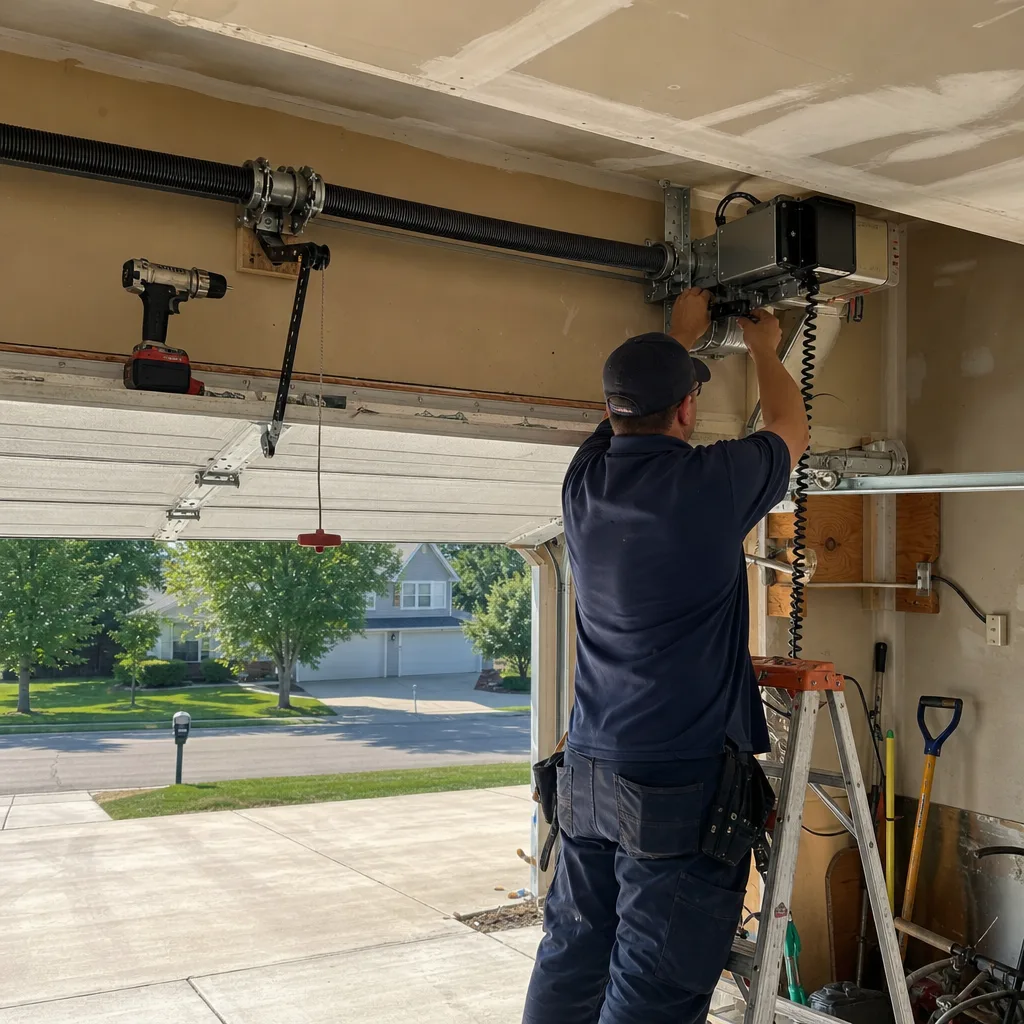
Last updated November 22, 2026
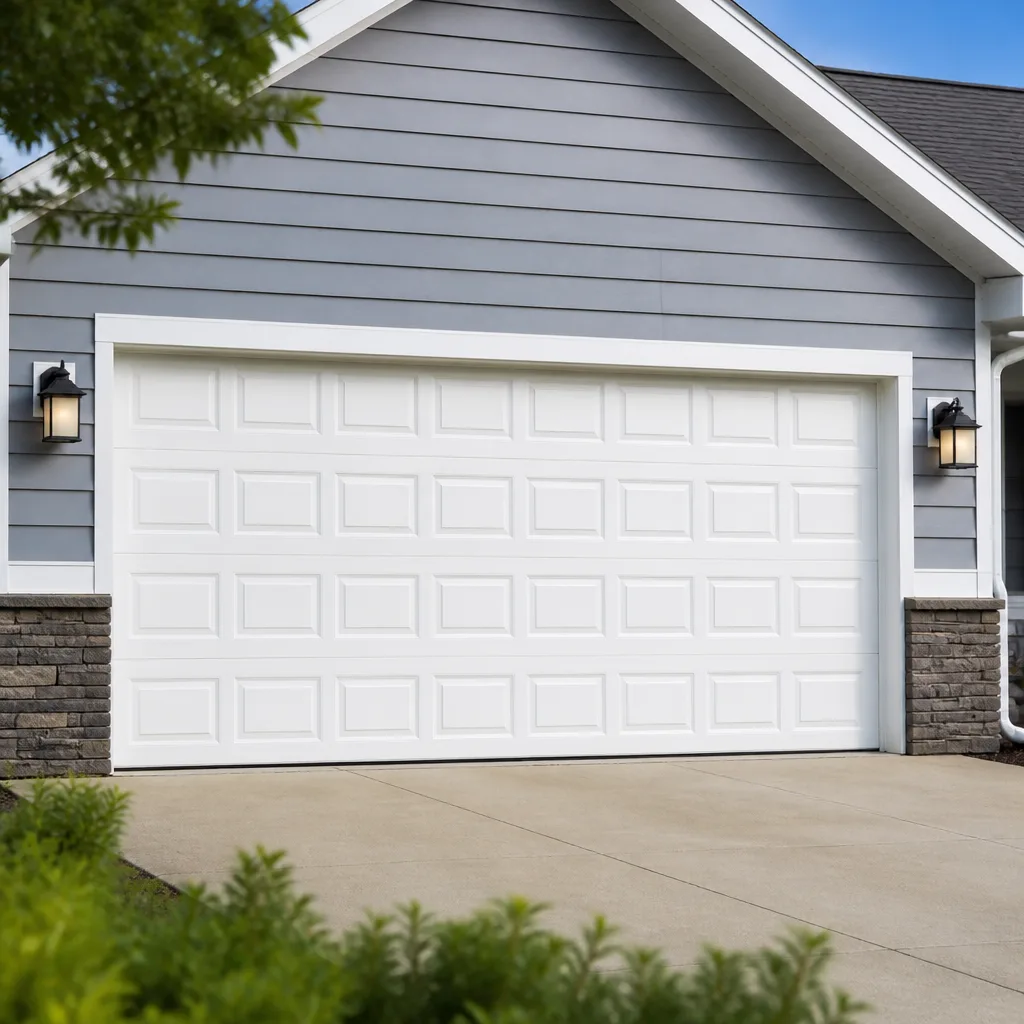 Raised-panel steel
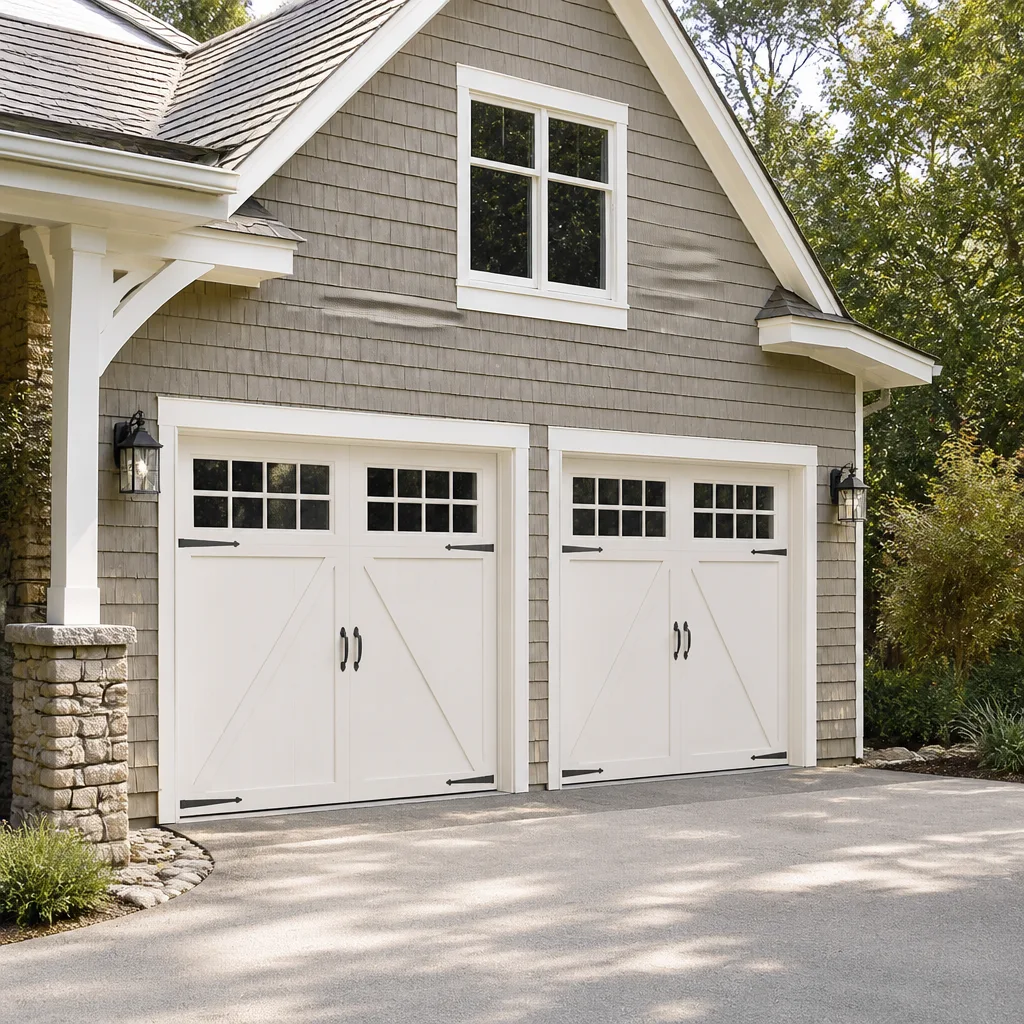 Carriage house
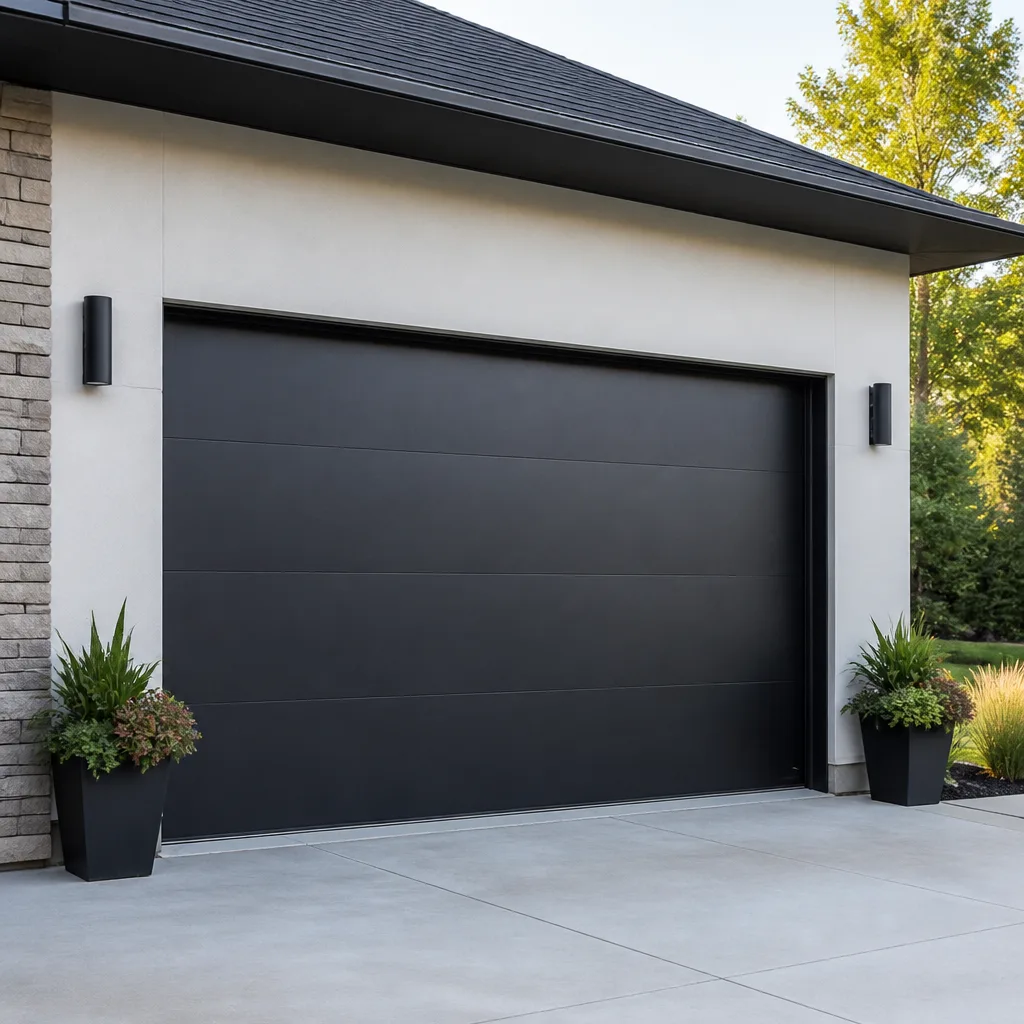 Modern flush
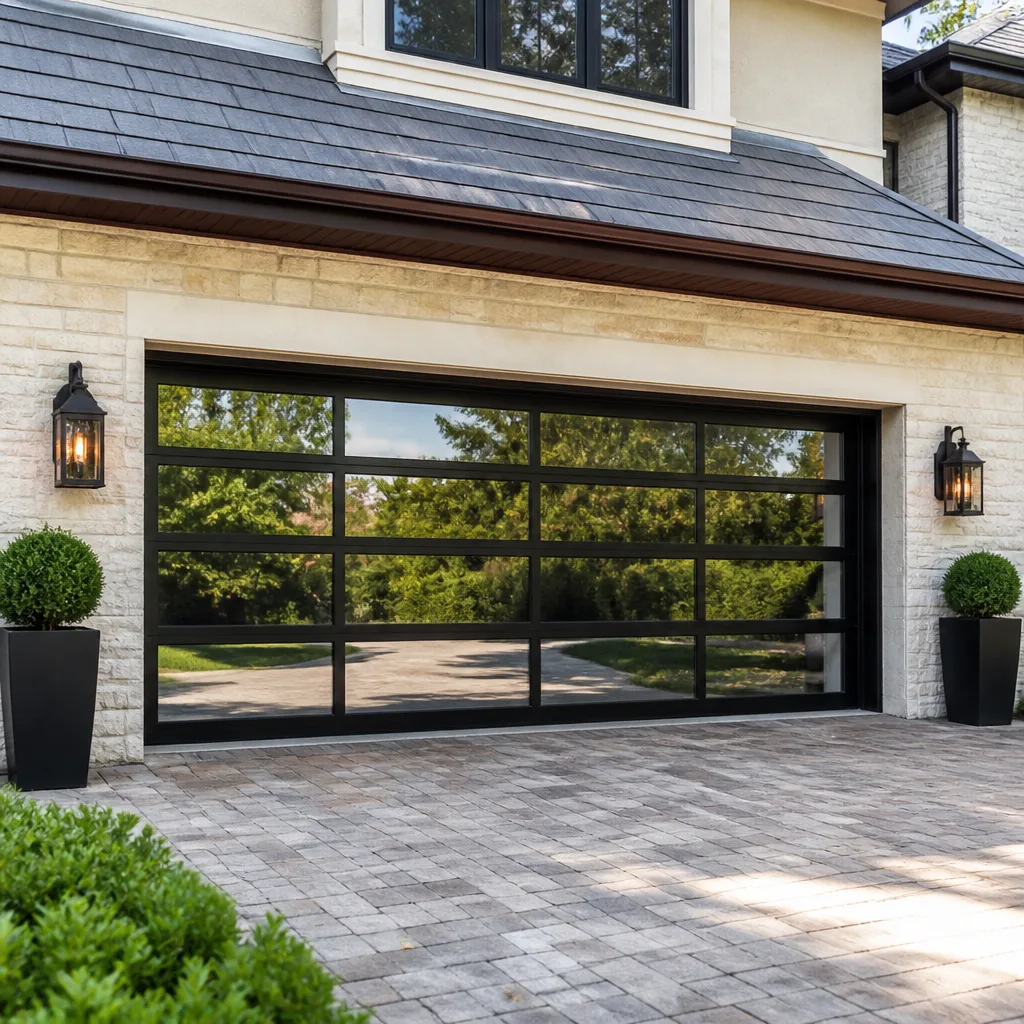 Full-view glass
 LiftMaster openers
 Chamberlain openers
Full 25-point door and opener safety check with every visit - springs, cables, rollers, tracks, and your LiftMaster or Chamberlain opener included
You get a price before we start. It does not change when the pro arrives.
Get your free estimateGarage Door Permits, Codes & Inspections in Camden, MN: What You Need to Know
Most Camden homeowners assume replacing a garage door never needs a permit. Usually they’re right. Sometimes they’re wrong in a way that costs real money later. The gap between “maintenance” and “construction” under the Minnesota State Building Code is narrower than most people think, and it widens the moment framing, headers, or the fire separation between your garage and your house enter the picture. This guide maps the exact triggers: when a door swap is permit-free, when it isn’t, how to verify your contractor filed before the first screw went in, and what a buyer’s inspector will flag at resale. We’d rather you know before work starts than after.
Quick Answer
A like-for-like garage door replacement in Camden, MN normally does not require a permit because it counts as maintenance and repair under the Minnesota State Building Code. A permit is typically required when you change the size of the opening, alter or replace the structural header, modify framing, or change anything affecting the fire-rated separation between an attached garage and the living space. When in doubt, call the City of Camden’s building department and describe the job in plain terms. The answer takes five minutes and settles the question.
Styles & brands we work with
- Raised-panel steel
- Carriage house
- Modern flush
- Full-view glass
- LiftMaster openers
- Chamberlain openers
Table of Contents
- When Does a Garage Door Project Need a Permit in Camden?
- What “Like-for-Like Replacement” Actually Means
- The Attached Garage Fire-Rating Rule
- How to Verify Your Contractor Pulled a Permit
- What an Inspection Covers and How It Goes
- Resale: How Unpermitted Garage Work Surfaces
- Openers, Safety Reversal, and Electric Code
- Why Camden Winters Make Compliance Matter More
When Does a Garage Door Project Need a Permit in Camden?
A garage door project in Camden needs a permit when it changes the building’s structure or its fire separation, and generally doesn’t when it only replaces worn parts or a same-size door. The Minnesota State Building Code treats a garage door as a component of the structure. Swap the component in kind and you’re doing maintenance. Change the opening it sits in, or the wall around it, and you’re doing construction. Construction needs a permit. That’s the whole rule in one paragraph.
Here’s how the triggers break down in practice:
- No permit typically needed: replacing a door with the same size and type in the same opening, replacing springs, cables, rollers, hinges, or tracks, replacing or repairing an opener, and painting or sealing an existing door.
- Permit typically required: enlarging or reducing the opening, replacing a structural header over the opening, cutting into or modifying wall framing, converting a carport to an enclosed garage, or adding a new garage door opening to an existing wall.
- Permit required and often missed: any change that affects the fire-rated wall or ceiling assembly between an attached garage and the house, including new framing that penetrates or alters that assembly.
- Ask the city directly: installing a door of a different material or weight class in the same opening where the header was sized for the original, and any structural repair after impact damage.
Two things worth knowing about Camden specifically. First, the housing stock spans a wide range of eras, and older garages often have undersized headers that were adequate for a light wood door and are marginal for a heavier one. A contractor who swaps a light door for a heavier model without checking the header isn’t doing a like-for-like replacement, even if the dimensions match. Second, Camden’s building department is the authority on your specific address, not us and not a forum thread. When a project sits near the line, describe it to them and get the answer in writing if you can.
If you’re replacing a door and want the structure around it evaluated before you buy, our garage door installation service starts with measuring the opening and checking what’s holding it up.
What “Like-for-Like Replacement” Actually Means
Like-for-like replacement means a new door that matches the old one in size, weight, material class, and operating type, installed in an unmodified opening. That’s the standard most jurisdictions use to decide a job is repair rather than construction. The trouble is that “like-for-like” is a judgment call, and contractors and inspectors don’t always draw the line in the same place.
Where contractors and inspectors tend to disagree:
- Weight. A contractor may treat a heavier door in the same opening as a replacement. An inspector may see it as a load change to the header and springs and ask why no permit was pulled.
- Material. Swapping a wood door for a steel Clopay or Amarr model of identical dimensions feels like a replacement to the installer. If the header was sized for the lighter door, the inspector may not agree.
- Track and hardware changes. New tracks in the same position are usually fine. Moving track brackets or changing the radius of the track is a modification, and modifications draw scrutiny.
- Opening dimensions. A quarter inch of difference is nothing. Two inches is a different opening and a different conversation.
- Opener replacement. Swapping an opener is electrical work, not structural, but it can trigger a safety inspection on the door’s reversal system.
The practical move is to define like-for-like on paper before the door is ordered. Ask your contractor to write the old door’s dimensions, weight class, and material on the estimate alongside the new door’s specs. If those columns match, you have a documented like-for-like replacement. If they don’t, ask the question out loud: does this need a permit? A contractor who hesitates on that question is telling you something.
In our experience across Camden, the jobs that end up needing a permit after the fact almost always started as a straightforward replacement that quietly became a modification. Someone widened the opening to fit a wider door. Someone sistered a cracked header. Someone reframed a corner because the old wood was soft. Each of those is defensible workmanship and each of them changes the permit picture.
The Attached Garage Fire-Rating Rule
An attached garage has to be separated from the living space by a fire-rated assembly, and any work that touches that separation can require a re-inspection of the entire opening, not just the part you changed. This is the rule Camden homeowners miss most often, because the garage door itself isn’t the fire separation. The wall and ceiling between the garage and the house are. The door is just the big hole in one of those walls.
Here’s why it matters for a door project. The wall around a garage door opening is part of the fire separation on an attached garage. When you replace a door in an unmodified opening, you’re not touching that wall. When you reframe the opening, replace the header, or change the framing on either side, you are. At that point an inspector may want to see the whole assembly: the drywall on the house side, the door’s self-closing behavior if it’s a pedestrian door, and the integrity of the wall above and beside the opening.
What that looks like in practice:
- Door swap, same opening: the fire separation is untouched. No re-inspection of the assembly is normally triggered.
- New opening or resized opening: the fire separation is altered. Expect the assembly to be reviewed.
- Header replacement: structural work inside the fire-rated wall. Expect both a structural and a fire-separation review.
- Framing repairs after impact or rot: depends on scope. Small patches are usually fine; anything that changes the wall’s continuity is not.
One more thing: many older attached garages in Camden have drywall on the house side that’s been patched, cut for wiring, or removed entirely by a previous owner. If your project touches that wall, an inspector may notice. That’s not a reason to avoid the permit. It’s a reason to find out before you start, because fixing it after a failed inspection costs more than fixing it as part of the job.
How to Verify Your Contractor Pulled a Permit
You verify a permit by calling the City of Camden’s building department and asking whether a permit has been issued for your address, then asking for the permit number. That single call is the step most homeowners skip, and it’s the one that matters. Contractors who pull permits expect the call. Contractors who don’t, don’t.
Here’s the sequence, in order:
- Ask before signing. “Will this job require a permit, and will you pull it?” Get the answer on the estimate. If the answer is “it doesn’t need one,” ask them to explain why in writing.
- Confirm who pulls it. In most Minnesota jurisdictions the licensed contractor pulls the permit, not the homeowner. If a contractor asks you to pull it as the homeowner, that’s a signal about how they operate.
- Call the city after the contract is signed and before work starts. Give your address and ask if a permit has been issued. If it hasn’t and the job needs one, stop.
- Get the permit number. Write it down. It goes in your file with the contract and the estimate.
- Confirm the final inspection was requested and passed. A permit that’s never inspected is an open item on your property record. Ask for the inspection result and keep it.
Two red flags worth naming. First, a contractor who says “we don’t need a permit for that” without asking what you’re changing. The permit question depends on scope, and a contractor who answers before hearing the scope is guessing. Second, a contractor who offers to “handle it quietly.” There’s no quiet version of a permit. It’s a public record tied to your address.
If you’re already comparing contractors for a repair and want the structural question answered early, our garage door repair service includes an assessment of whether the work in front of you is maintenance or construction. That’s the fork in the road, and it’s cheaper to identify it before the door is ordered.
What an Inspection Covers and How It Goes
A garage door inspection covers the structural work described on the permit, the fire separation if it was touched, and typically the door’s safe operation. It’s not a quality inspection of the whole door. It’s a check that what was permitted was built as described and that the assembly meets code. Knowing that helps you prepare and helps you avoid surprise corrections.
What an inspector typically looks at when a garage door project is on the permit:
- The opening and header. Dimensions, header size and connections, and whether the framing matches the approved plans.
- The fire separation. Drywall integrity on the house side of an attached garage, penetrations, and any new framing that interrupts the assembly.
- The door and its hardware. Attachment of tracks and brackets, spring and cable configuration, and whether the door operates without binding.
- Safety reversal. On a new or replaced opener, that the door reverses on obstruction and that the photo-eye or safety edge works.
- Labeling. That the door carries its manufacturer’s labeling and matches what was permitted.
Timing matters. Structural work gets inspected before it’s closed up, so if your project involves framing, expect an inspection at the rough-in stage and a final inspection after the door is hung. A contractor who knows the sequence will schedule both without you having to ask. A contractor who doesn’t will call you after the drywall is up wondering why the inspector wants it opened again.
What we tell Camden homeowners is simple: if the inspection happens, ask for the result. A passed final inspection is a document you’ll want at resale. It takes one email to get and it closes the loop.
Resale: How Unpermitted Garage Work Surfaces
Unpermitted garage work surfaces at resale through the seller’s disclosure and the buyer’s inspection, and in Minnesota it can complicate a sale even when the work itself is fine. Minnesota requires sellers to disclose known defects and known code violations. An unpermitted structural modification is exactly the kind of thing that belongs on that form, and buyers’ inspectors are trained to spot it.
What buyers’ inspectors look for around a garage door:
- Header and framing that don’t match the era of the house. New lumber in an old wall is visible, and inspectors ask why it’s there.
- Missing or altered drywall on the house side of an attached garage. This is a common flag, and it’s often the first thing that prompts a permit search.
- Opening dimensions that don’t match the original plans. If the city has drawings on file and the opening has changed, the mismatch is discoverable.
- Door labeling. A door without manufacturer labeling, or one that doesn’t match the permitted specs, raises questions.
- Open permits on the property record. This is the big one. An open permit from a past project can stall a closing until it’s resolved.
Here’s the part most homeowners don’t hear until it’s expensive: a buyer’s inspector doesn’t have to prove the work is bad. They only have to raise the question. Once the question is on the table, the seller is negotiating from a weaker position, and the fix is often a retroactive permit process that takes weeks. We’ve seen this pattern in Camden and it plays out the same way every time. The cost isn’t the work. It’s the timeline and the leverage.
The clean solution is boring: pull the permit when the job needs one, keep the inspection result, and hand it over at resale as a feature. A documented, inspected garage door replacement is a selling point. An undocumented one is a question mark.
Openers, Safety Reversal, and Electric Code
A garage door opener replacement is electrical work, and while it usually doesn’t need a building permit, it does need to meet the safety requirements for the door it operates. The opener market has moved almost entirely to belt and chain drive units with battery backup and safety reversal, and the brands Camden homeowners most often have installed are Genie, LiftMaster, and Chamberlain. Older Craftsman units are still common. We work on all of them, along with Wayne Dalton and Raynor doors, and the safety requirements are the same regardless of brand.
What matters when an opener is replaced:
- Safety reversal. The door must reverse when it meets an obstruction. This is a physical test, not a setting.
- Photo-eye or safety edge. The non-contact reversal system has to be mounted, aligned, and working. An inspector or a careful installer will test it.
- Force settings. Set to the door’s actual weight and travel, not left at factory default.
- Electrical connection. The opener’s wiring and outlet need to be appropriate for the install. If a new outlet is required, that’s electrical work and it may need its own permit.
- Battery backup. Many current openers include it. It’s worth knowing whether yours does, because it changes what happens in a Camden power outage.
If you’re replacing an opener and a door in the same project, the door’s springs and balance are part of the safety picture. A door that isn’t balanced will defeat a correctly set opener every time. Our garage door opener repair work always includes a balance check for that reason. If the springs are failing, the opener is the wrong place to spend money first.
One safety note we won’t skip. Springs and cables are under high tension, and they’re the most dangerous part of any garage door system. We don’t walk homeowners through spring work, and no guide should. If a spring is broken or a cable is frayed, keep the door closed and call a trained technician. That’s not a liability hedge. It’s the honest answer.
Why Camden Winters Make Compliance Matter More
Camden winters work on garage doors in a way that changes both the repair frequency and the permit picture. Cold contracts steel, stiffens grease, and puts stress on springs and cables. Doors that were marginal in October start failing in January. When a door fails, homeowners want it fixed now, and “now” is exactly when the permit question gets skipped.
What we see in Camden as the temperature drops:
- More spring failures. Cold makes springs more brittle, and a spring that’s near the end of its cycle life tends to go in the first hard freeze.
- Track and roller binding. Frozen or stiffened hardware puts load on the opener and can pull the door out of alignment.
- Header and framing damage from ice damming. Water working into the wall above the opening softens wood, which is when a “replacement” turns into a structural repair and a permit.
- Emergency calls that skip the questions. When a door is stuck open in single-digit weather, nobody wants to hear about permits. But if the fix involves framing, the question still applies.
That last point is why we separate emergency repair from structural work in our own process. Our emergency service is built for the urgent mechanical problems: a broken spring, a door off its tracks, an opener that won’t run. Those are repairs, and repairs don’t need a permit. If an emergency turns out to involve structural damage, we slow down and handle the permit question properly, even if it means the door operates manually for a few days. That’s the right trade, and it’s one we’d make again.
If your door fails in the cold and you want a straight answer about what’s repair and what’s construction, call us. We’ll tell you which side of the line your job sits on before anyone picks up a tool.
Common Mistakes to Avoid
- Assuming a bigger door is a replacement. Widening an opening to fit a wider door is a structural change, not a swap. It needs a permit even when the new door looks like a natural fit.
- Trusting a verbal “no permit needed.” Ask for it in writing and describe the scope first. A contractor who answers before hearing the scope is guessing, and guesses don’t hold up at resale.
- Never calling the city to confirm. One call to the City of Camden’s building department tells you whether a permit exists for your address. It’s the single highest-value step in this whole guide.
- Replacing the header without re-inspecting the fire separation. On an attached garage, header work touches the fire-rated wall. Skipping the re-inspection leaves the assembly undocumented.
- Leaving a permit open. A permit that’s never inspected is an open item on your property record and can stall a closing years later. Get the final inspection result and keep it.
- Upgrading the door without checking the header. Older Camden garages often have headers sized for a lighter door. A heavier replacement in the same opening can be a load change, and that’s permit territory.
- Handling springs as a DIY project. Springs and cables are under high tension and cause serious injuries. This is the one part of the system where the honest advice is always to call a professional.
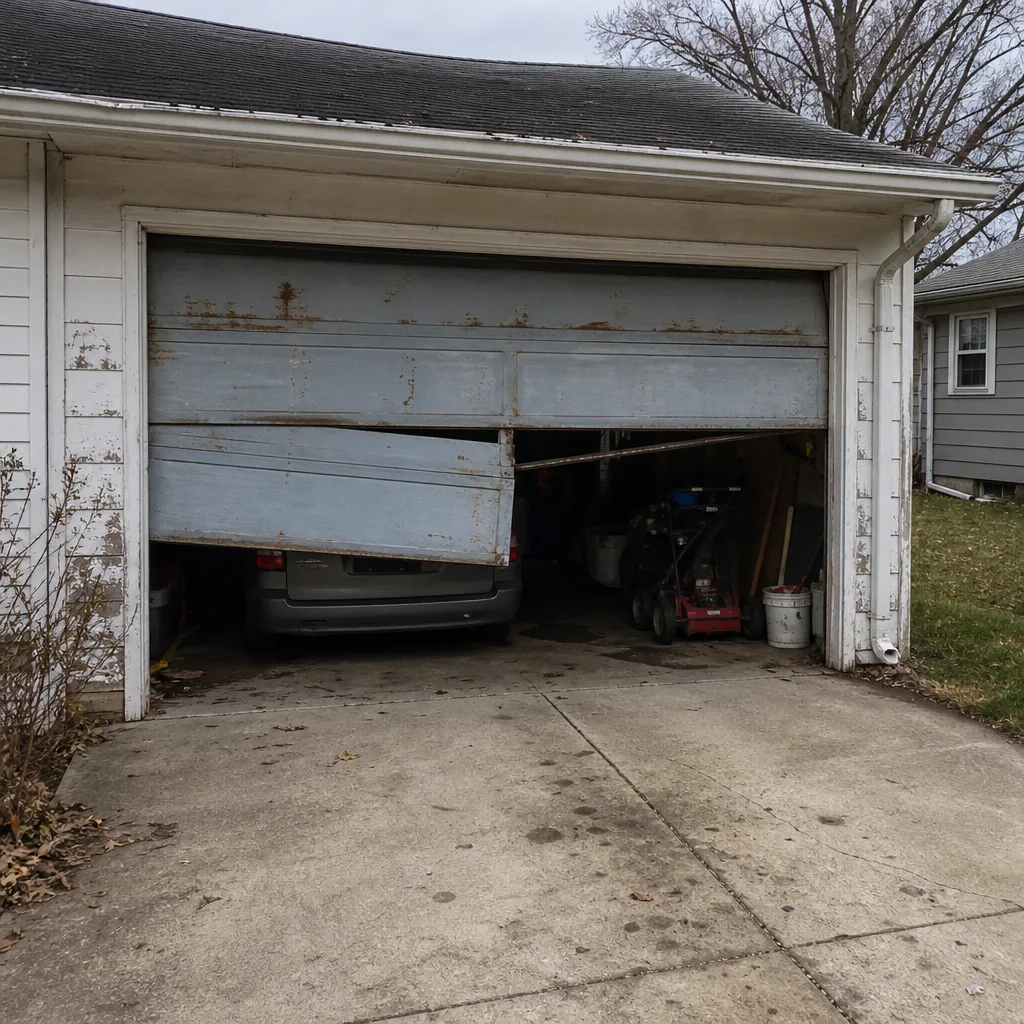
See the difference
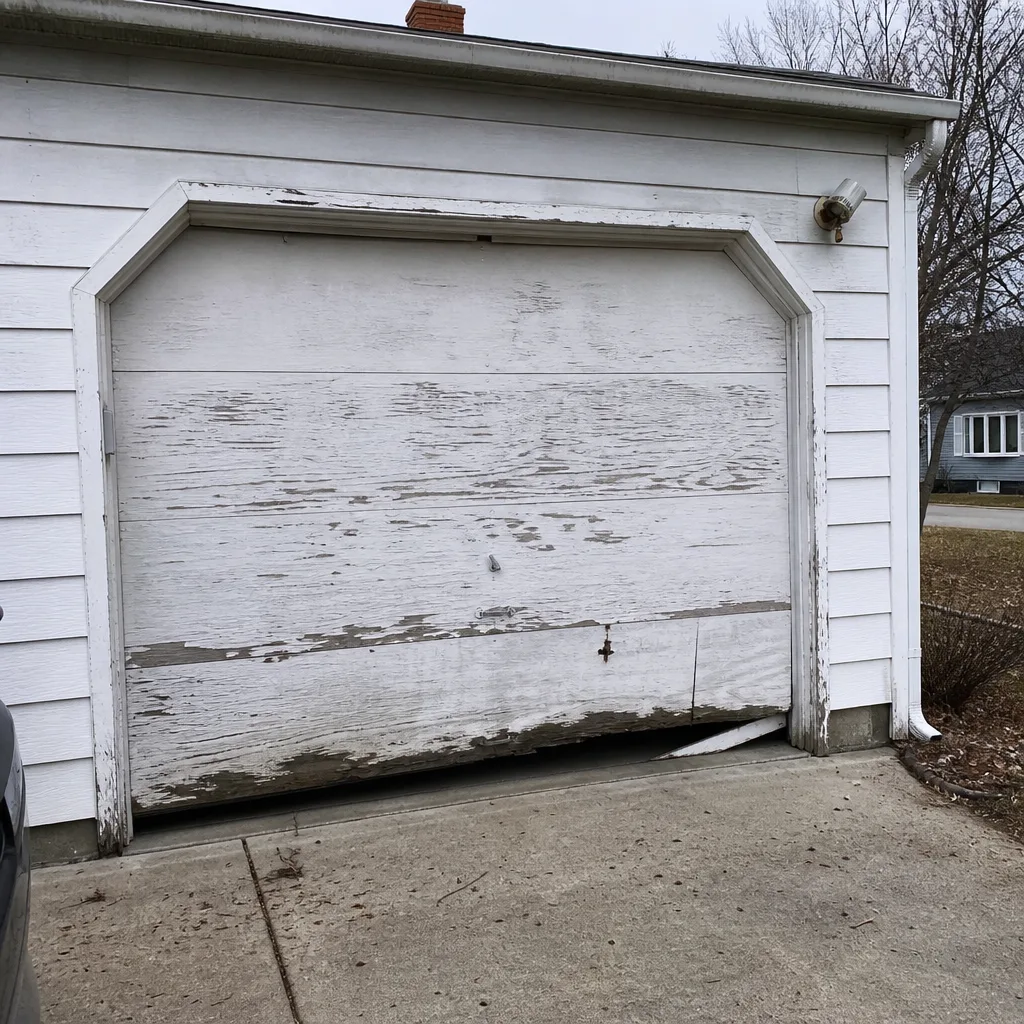 Before
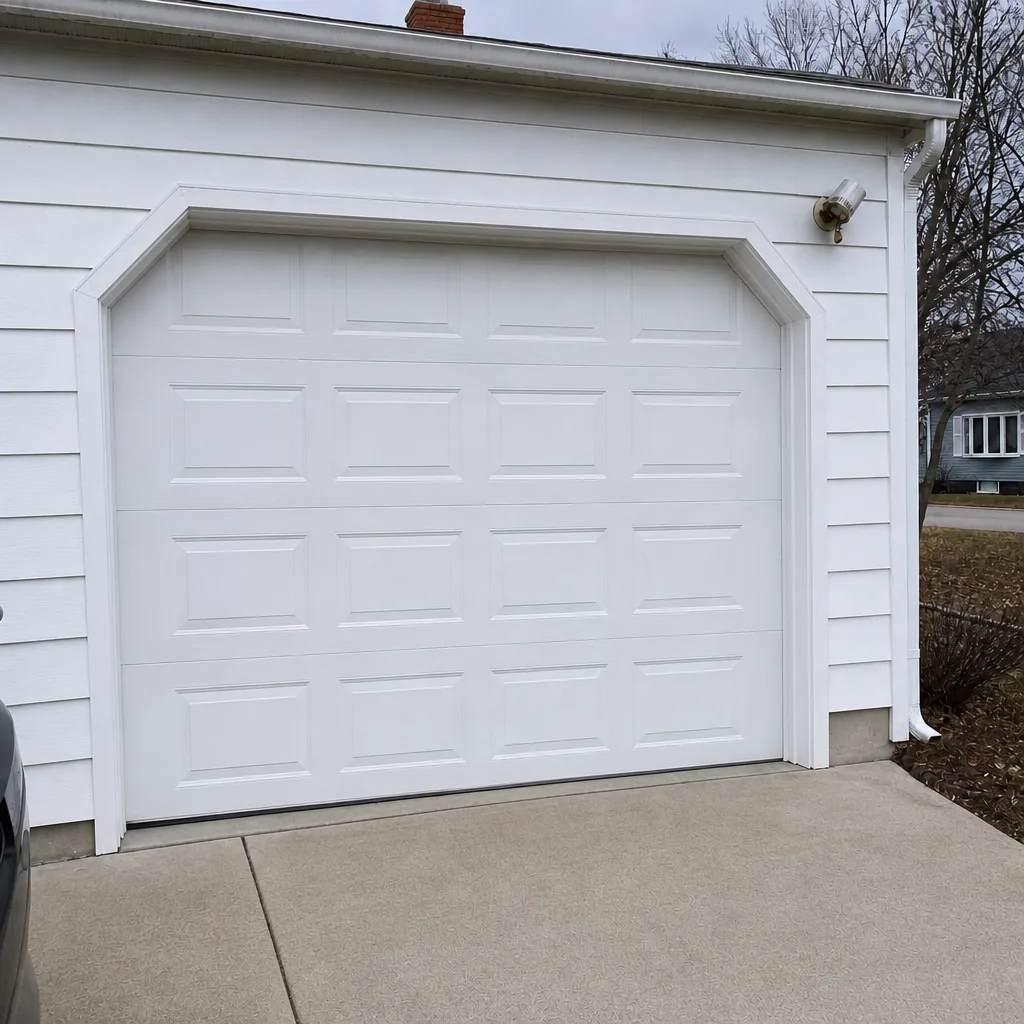 After
 Before
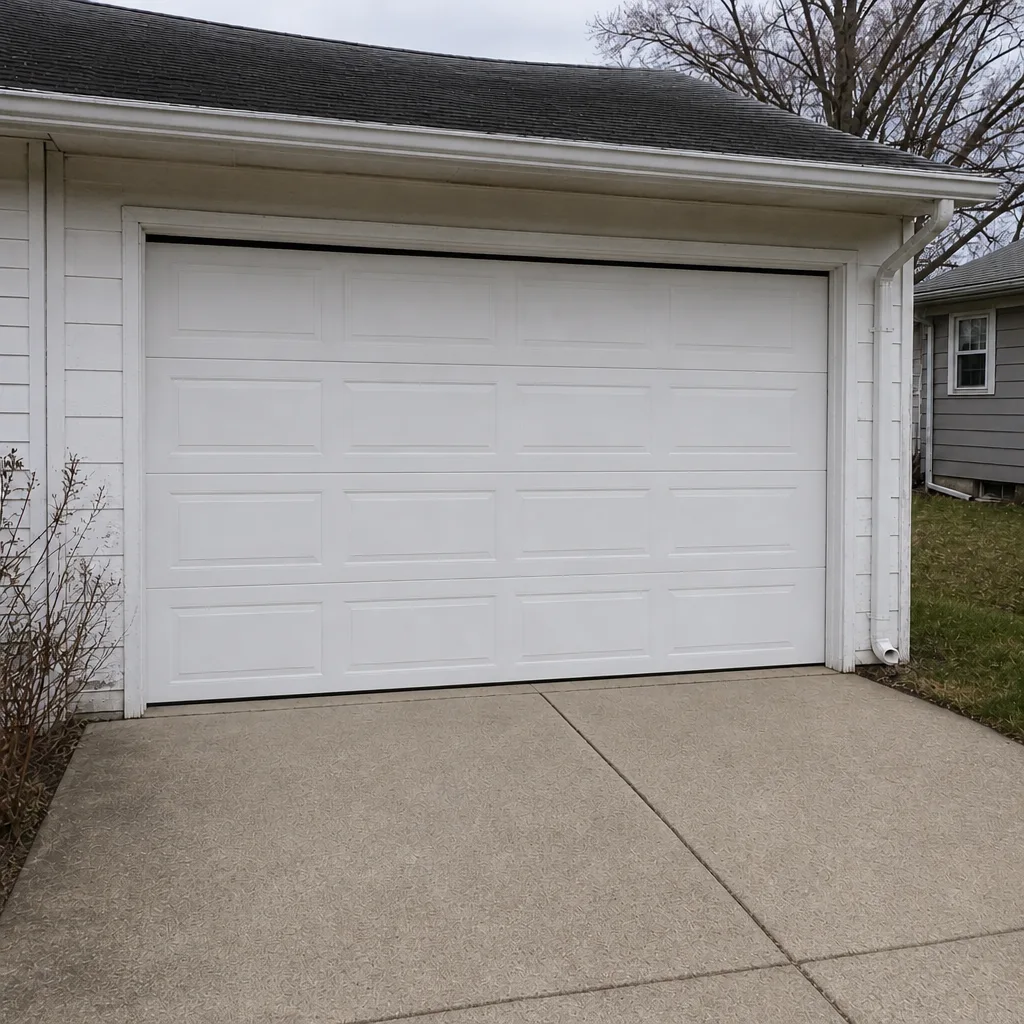 After
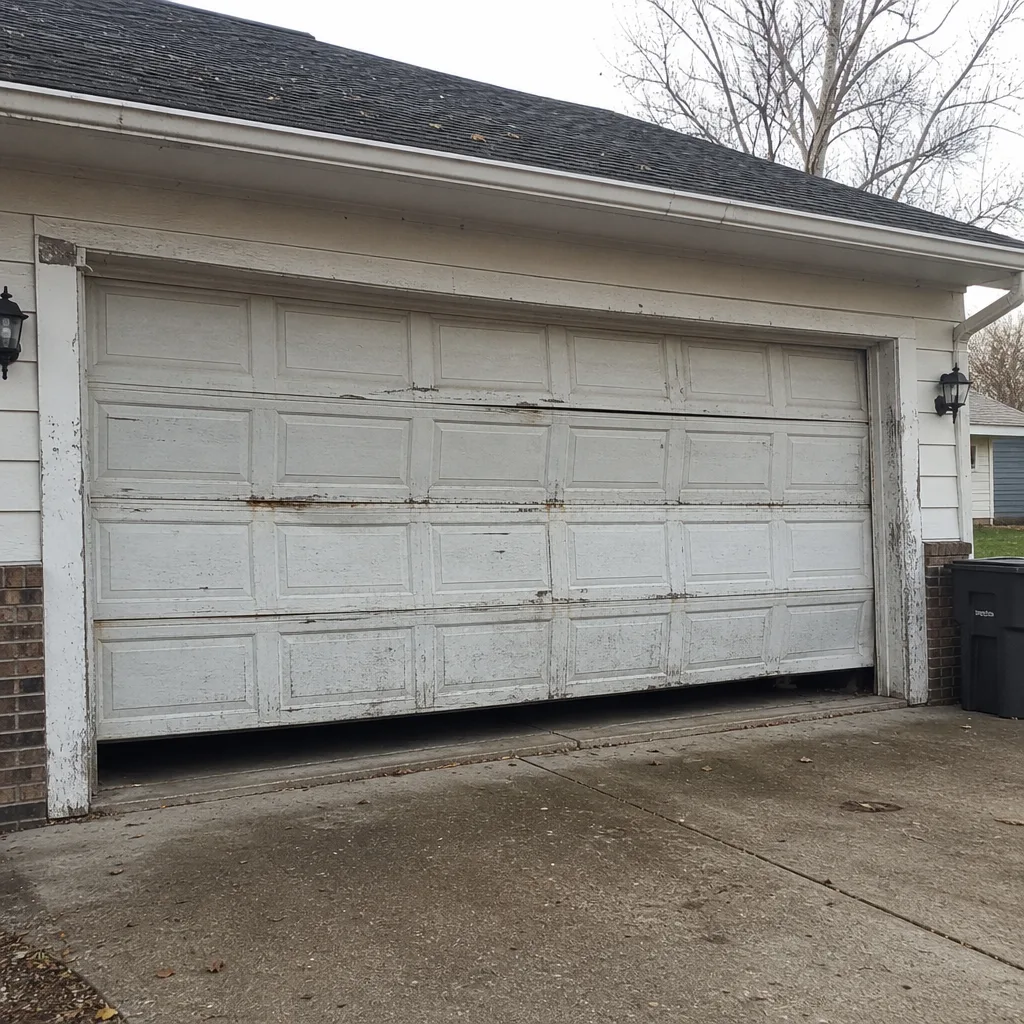 Before
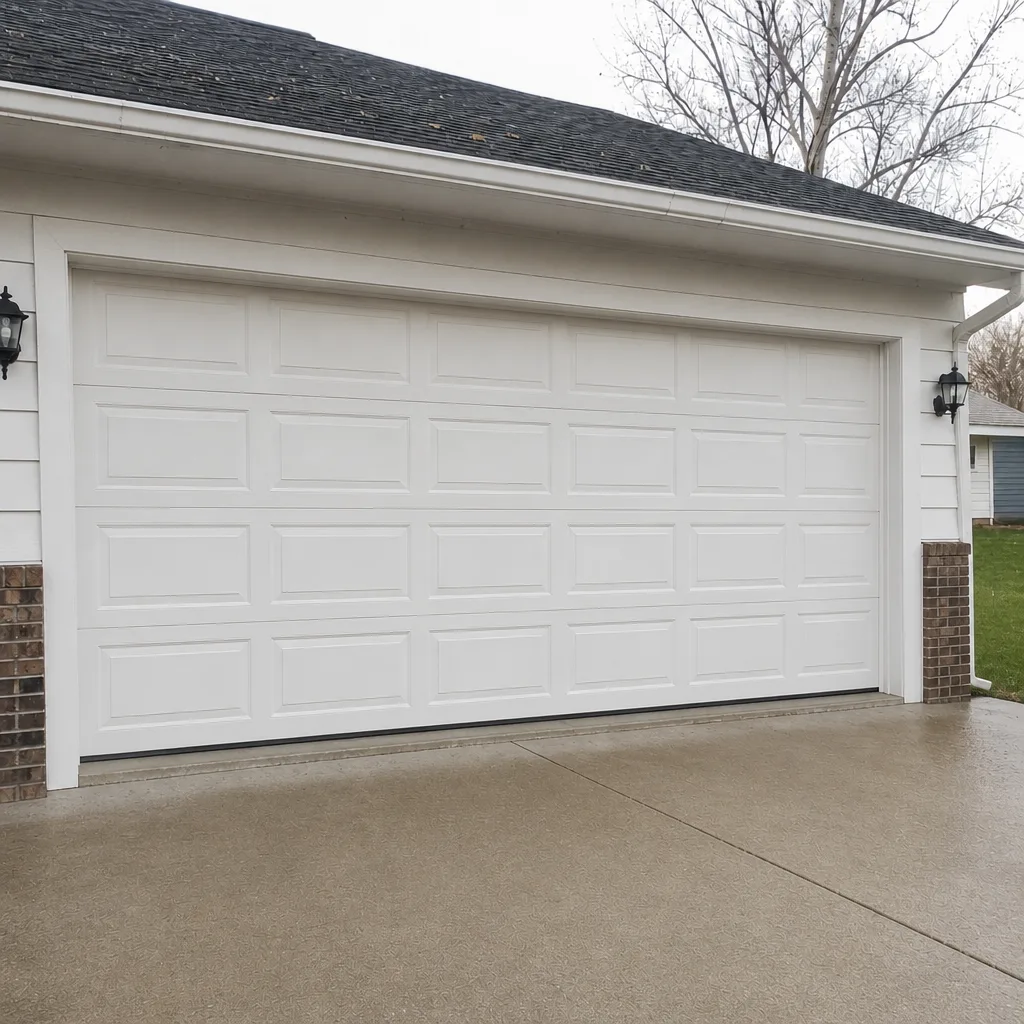 After
When to Call a Professional
Call a professional when the door involves springs, cables, or anything under tension, when the opener won’t reverse on obstruction, when the door is off its tracks, or when you’re not sure whether the work in front of you is a repair or a structural change. Those are the four categories where the cost of getting it wrong runs from injury to a stalled closing. Garage Door Repair Camden offers free estimates in Camden and can tell you which side of the permit line your project falls on. We work on LiftMaster, Chamberlain, Genie, Clopay, Amarr, Wayne Dalton, Craftsman, and Raynor equipment, and we do repair, opener work, spring work, installation, and emergency service. Our technicians have up to 10 years of experience. Call (877) 256-1677 and we’ll walk through it with you. The price is quoted and agreed before any work starts, so there’s no invoice surprise waiting at the end.
Frequently Asked Questions
Usually not, if the new door matches the old one in size, weight class, and material in an unmodified opening. A permit is typically required when the opening is resized, the header is altered, framing is modified, or the fire separation of an attached garage is touched. Call the City of Camden’s building department with your specific scope to confirm. Call (877) 256-1677 for a free estimate and we’ll help you sort out which category your project falls into.
An opener replacement usually doesn’t require a building permit because it’s electrical work on an existing circuit. If the job needs a new outlet or circuit, that electrical work may require its own permit. What matters more is the safety side: the door must reverse on obstruction and the safety system must work. Call (877) 256-1677 if your opener is failing and you want it checked.
The work becomes an open question at resale, because Minnesota sellers must disclose known code issues and buyers’ inspectors look for unpermitted structural changes. The fix is usually a retroactive permit process, which takes time and can stall a closing. If you’re unsure whether past work was permitted, call the City of Camden’s building department and ask what’s on record for your address. Call (877) 256-1677 if you want the work evaluated before you list.
No, if the scope hasn’t changed. The written estimate is the price, and we quote and agree on it before any work starts. If we open something up and find structural damage that wasn’t visible, we stop and talk to you before doing anything else. Call (877) 256-1677 for a free estimate.
The local pros we connect you with are licensed and insured as Minnesota requires. We can work with your insurer if a claim is involved. Call (877) 256-1677 and we’ll answer any questions about how the work is covered before you commit.
Call the City of Camden’s building department, give them your address, and ask whether a permit has been issued and whether it’s been inspected. Ask for the permit number and the inspection result. That’s the whole process, and it takes one phone call. Call (877) 256-1677 if you’d like us to point you to the right department.
The Bottom Line
A garage door replacement in Camden is usually maintenance and usually doesn’t need a permit. The exceptions are specific and they matter: resized openings, changed headers, modified framing, and anything touching the fire separation of an attached garage. The reason to care isn’t the paperwork. It’s resale, where an unpermitted structural change becomes a question mark on the disclosure and a negotiating problem in a closing. Pull the permit when the job needs one, confirm it with the city, and keep the inspection result. That’s the whole playbook. For the work itself, our Garage Door Repair Camden team is here to help. Call (877) 256-1677 for a free estimate and we’ll tell you exactly what your project involves.
Written by the team at Garage Door Repair Camden.