Last updated November 22, 2026
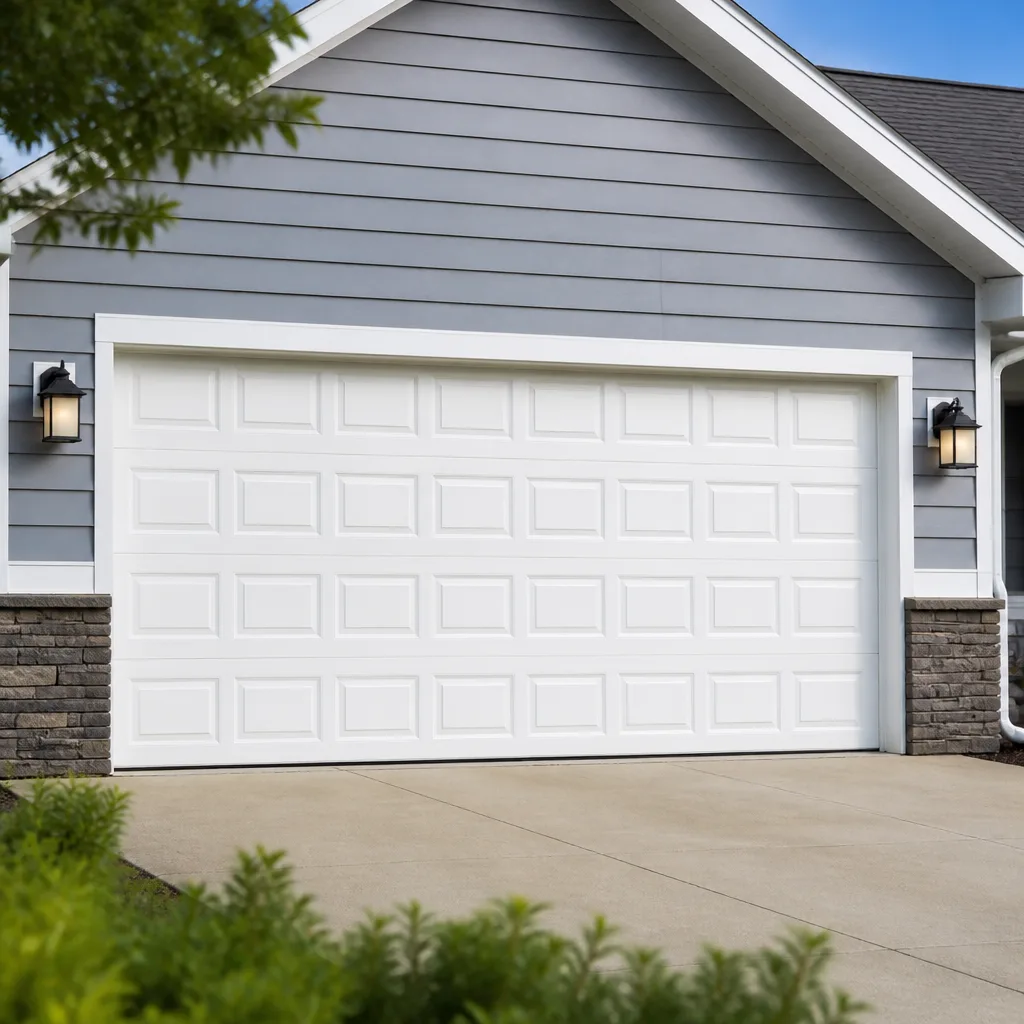 Raised-panel steel
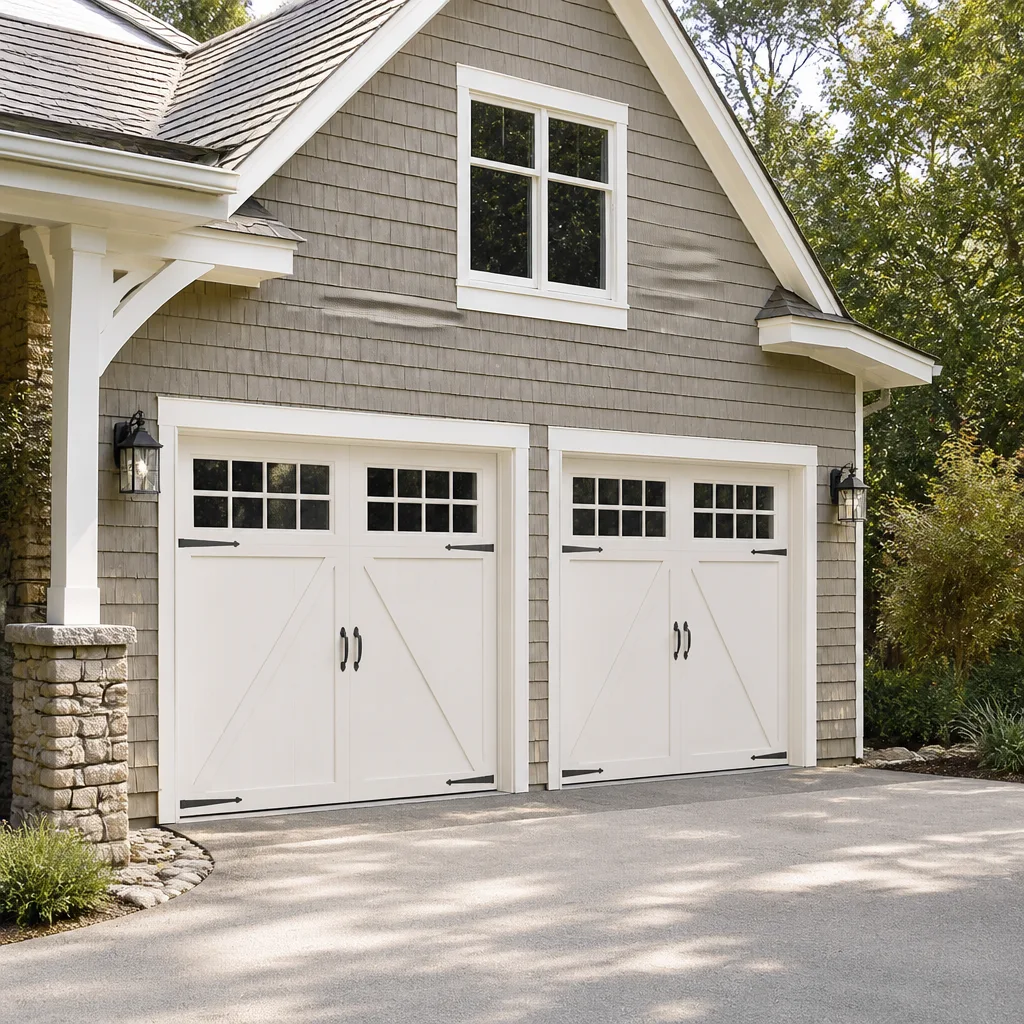 Carriage house
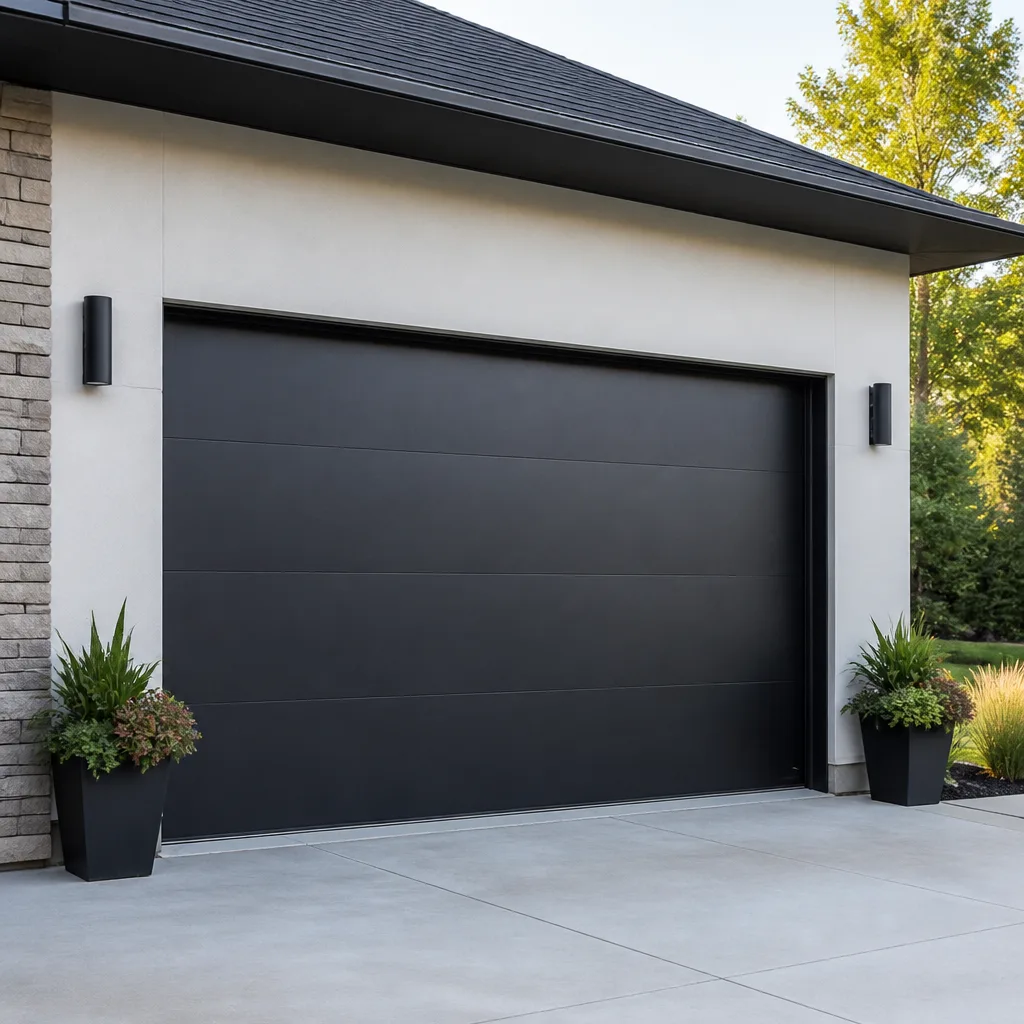 Modern flush
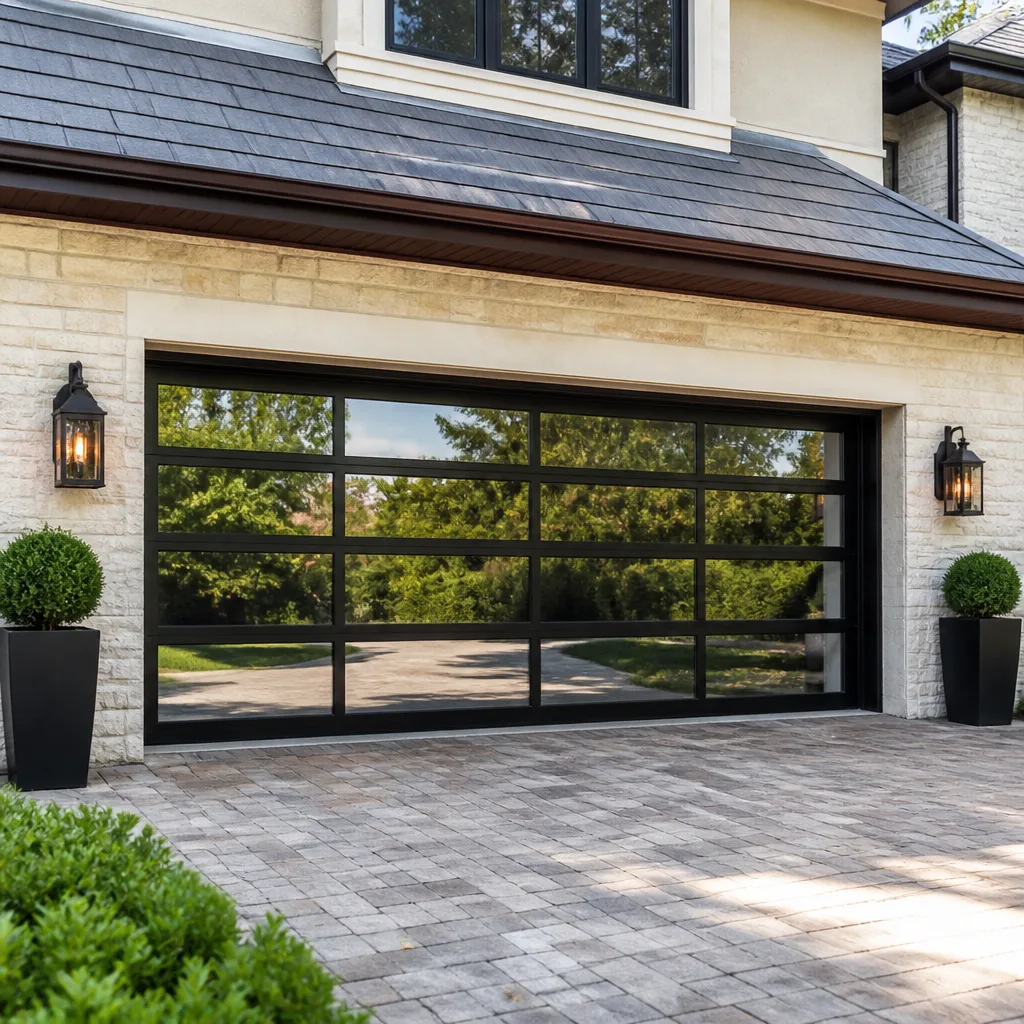 Full-view glass
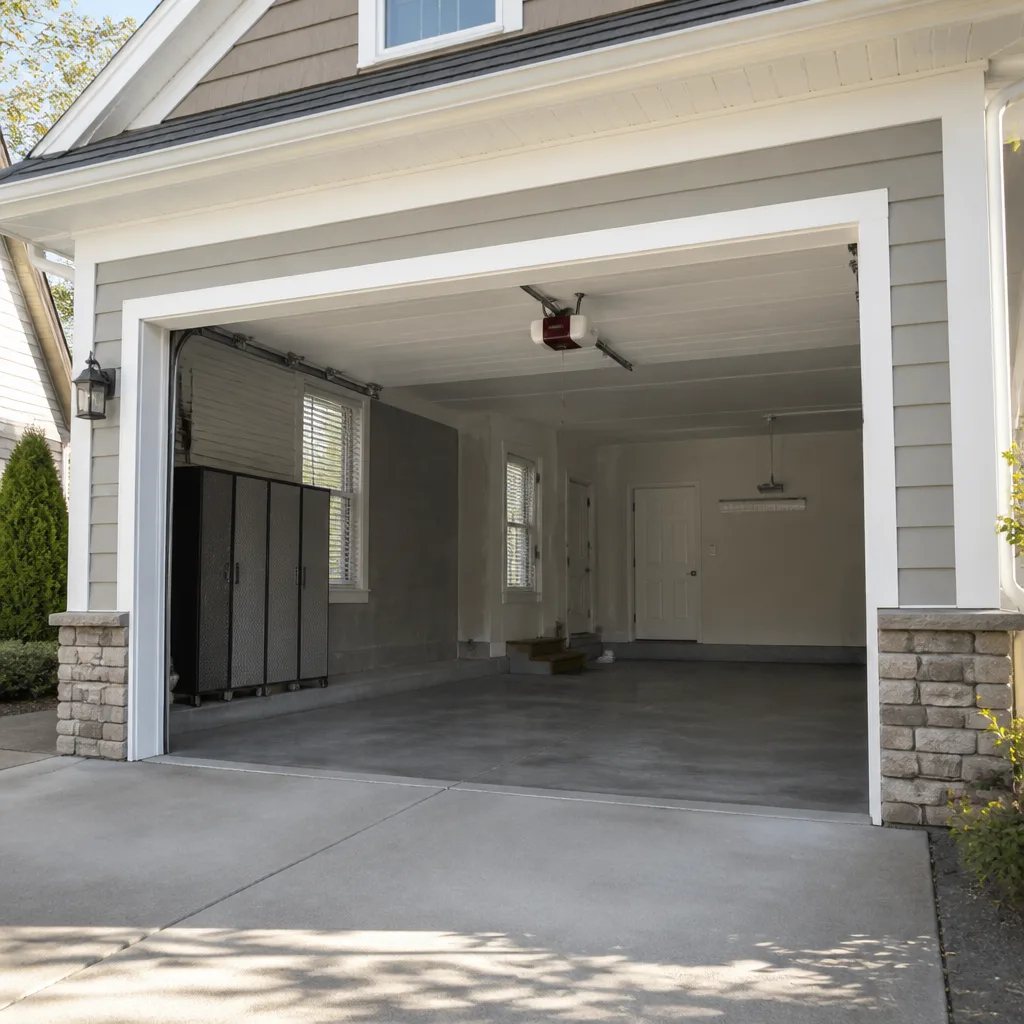 LiftMaster openers
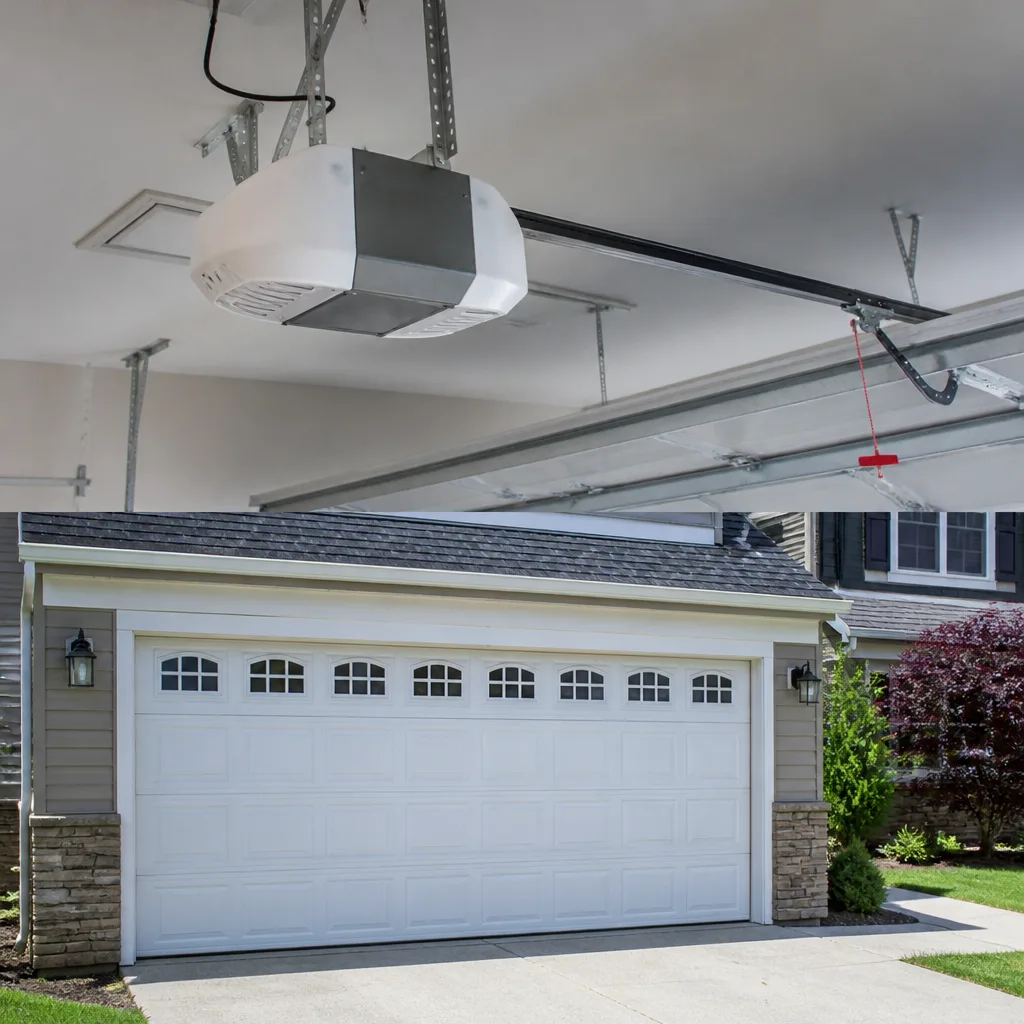 Chamberlain openers
Full 25-point door and opener safety check with every visit - springs, cables, rollers, tracks, and your LiftMaster or Chamberlain opener included
You get a price before we start. It does not change when the pro arrives.
Get your free estimateGarage Door Warning Signs: A Camden Homeowner’s Reference Guide
A garage door that just seems slow can be telling you something serious. When a torsion spring loses tension, the door’s travel speed can drop by roughly an inch per second, and that missing lift means the cables are now carrying load they were never rated to bear. The failure mode isn’t gradual; it’s sudden. Most Camden homeowners who ignore that early slowdown find out the hard way, usually with a loud bang from the garage. This guide classifies every common garage door symptom into three urgency tiers so you can decide, calmly and correctly, whether to monitor it, schedule a repair soon, or stop using the door and call for help today.
Styles & brands we work with
- Raised-panel steel
- Carriage house
- Modern flush
- Full-view glass
- LiftMaster openers
- Chamberlain openers
Quick Answer
Garage door warning signs fall into three urgency tiers. Tier 1 (monitor) covers cosmetic or minor issues like light rattling or a slightly noisy roller. Tier 2 (schedule within a week) covers grinding, uneven travel, and opener strain. Tier 3 (stop using the door immediately) covers a snapped spring, a frayed or hanging cable, an off-track door, or a door that reverses unexpectedly because of a safety sensor fault. Anything in Tier 3 is a call-now situation, not a weekend project. In Camden, cold snaps make spring and cable problems worse, so winter symptoms that look seasonal deserve a closer look.
Table of Contents
- The Three-Tier Warning System: Monitor, Schedule, Stop
- What Your Door’s Sound Is Telling You
- Why a Door That Reverses Unexpectedly Is a Stop-Use Warning
- The Visual Gap Test for Torsion Spring Wear
- Cold-Climate Warning Signs Camden Homeowners Misread
- Opener Strain: When the Motor Is Covering for the Door
- Brand-Specific Behavior: What’s Normal for LiftMaster, Chamberlain, Genie, and Clopay
- When to Call a Professional
The Three-Tier Warning System: Monitor, Schedule, Stop
Not every garage door symptom deserves the same response. Some are background noise you can watch for weeks; others mean the door should stay closed until a technician arrives. Sorting your symptom into the right tier is the single most useful thing you can do as a homeowner, because it prevents both overreacting to a harmless rattle and ignoring a cable that’s about to fail.
Tier 1: Monitor. These are nuisance-level issues. The door still moves smoothly and safely, but something is slightly off. Examples include a light rattle over the door’s travel, a squeaky hinge, a remote that occasionally needs a second press, or a weather seal that’s beginning to pull away from the frame. Keep an eye on them. If they get worse, move them up a tier.
Tier 2: Schedule within a week. The door works, but it’s working harder than it should, and the underlying issue will get worse. Grinding sounds, jerky or uneven travel, a door that starts to bind on one side, or an opener that seems to labor are all Tier 2. These are the calls we field most often in Camden, and they’re the ones that save homeowners the most trouble by getting handled before they become Tier 3.
Tier 3: Stop using the door immediately. These are safety events. Do not run the door again until a trained technician inspects it. Tier 3 includes:
- A snapped torsion or extension spring (usually announced by a loud bang)
- A visibly frayed, kinked, or hanging cable
- A door that’s off its track or hanging unevenly at one corner
- A door that closes and immediately reverses, or fails to reverse when something is in its path
- A door with broken hinges, rollers, or panel damage that makes it unstable
Our technicians have up to 10 years of experience, and the pattern we see most is homeowners sitting on Tier 2 symptoms until they escalate into Tier 3. Learn the tiers and you’ll make the right call sooner. When anything in Tier 3 shows up, that’s what our emergency garage door service exists for.
What Your Door’s Sound Is Telling You
Sound is the cheapest diagnostic tool you own. Before you call anyone, listen carefully to when the noise happens and what it sounds like. Being able to describe the exact sound to a technician helps enormously, because grinding, popping, and rattling each point to different parts of the system.
Grinding
A grinding noise usually comes from the track or the rollers. Metal-on-metal grinding typically means a roller bearing has seized, a track has a bend or a build-up of debris, or the door’s rollers are wearing against a misaligned rail. Grinding is generally a Tier 2 sign. It won’t usually fail catastrophically overnight, but it accelerates wear on everything it touches.
Popping
A single loud pop, especially followed by a change in how the door sounds or moves, is a classic spring sound. Torsion springs under tension snap rather than wear out gradually. If you hear a bang or a pop and the door suddenly feels much heavier or won’t open at all, that’s a Tier 3 event. Do not open the door manually and do not try to inspect the spring up close. A torsion spring is under extreme tension and can cause serious injury if it releases.
Rattling
Rattling tends to come from loose hardware: hinge bolts, roller stems, panel bolts, or the opener’s chain or belt. It’s usually a Tier 1 or low Tier 2 sound. Tightening hardware is straightforward, but it’s also a chance for a technician to check whether loosening is a sign of a bigger alignment issue. In Camden, our winter temperature swings tend to loosen hardware faster than in mild climates.
Why a Door That Reverses Unexpectedly Is a Stop-Use Warning
A garage door that closes and then immediately reopens might look like an opener quirk. It isn’t. It’s almost always a safety sensor issue, and a garage door that won’t reliably close is a Tier 3 stop-use warning. Here’s why: the reversing mechanism is the single safety feature that prevents the door from closing on a child, a pet, or anything in its path. If it’s malfunctioning, the door isn’t safe to operate automatically.
The reverse-on-contact and reverse-on-obstruction functions are triggered by the photo-eye sensors mounted near the floor on either side of the door opening. If one sensor is out of alignment, dirty, blocked by a stored item, or its wiring is damaged, the door may reverse. Some openers, including models from LiftMaster and Genie, will flash a number of times to indicate a sensor fault rather than a motor fault. That’s useful information to pass along when you call.
- Check the obvious first. Look for anything blocking either sensor lens. Clear the path so the beams line up.
- Check alignment. Both sensors should point directly at each other at the same height. A bumped sensor is common and easy to spot.
- If the reverse continues, stop. Don’t keep pressing the button to see if it “settles down.” A door that reverses unpredictably should be left closed and serviced.
This is also where our garage door opener repair work overlaps with safety. Sensor alignment and safety-reverse testing are part of any responsible opener diagnosis. If your door reverses and you’ve already checked the sensors, call us rather than assuming it’s normal behavior.
The Visual Gap Test for Torsion Spring Wear
Torsion springs don’t announce their age. They sit above the door opening, wound tight on a metal shaft, and they fail suddenly. There is, however, a no-touch visual test that gives you a rough read on whether a spring is approaching end of life: the gap test.
Look at the wound coils of the spring from a safe distance, never touching. A healthy spring’s coils sit close together and evenly spaced. A spring that’s losing tension may show a visible gap between coils when the door is in the closed position. Any visible gap means the spring is not holding the load it was designed to, and it’s worth having a technician take a look.
- Stand back and use a light. Bring a flashlight to the spring from a few feet away. Do not reach up or climb anything.
- Look at the coil spacing. Even coils with no visible gap = normal. Noticeably separated coils = a red flag.
- Listen for the sound of the door. If the spring is weak, the door may sound heavier on the travel, and the opener may have to work harder.
- Do not touch the spring, the shaft, or the winding cones. This is a strictly visual test.
A gap after a cold night is a sign the spring is losing its stored energy. Cold shrinks metal and changes tension, so Camden’s hard winters can push a marginal spring into failure. That’s a Tier 2 sign, but if the spring has actually snapped, jump straight to Tier 3. Spring work is one of the most dangerous repairs in home maintenance, and we treat it that way: it’s a named specialty, not a footnote. Our garage door repair service handles spring replacement carefully with proper winding bars and safety procedures that are not a do-it-yourself job.
Cold-Climate Warning Signs Camden Homeowners Misread
Camden winters change how a garage door behaves. Cold air tightens hardware, stiffens lubricant, and changes spring tension. Some sounds and symptoms that look seasonal are actually genuine warnings, and homeowners in Camden routinely misread them as “just the weather.”
A door that’s harder to lift by hand on a cold morning may be showing a spring losing tension rather than simply being cold. A door that sounds sluggish but still opens isn’t necessarily broken, but a consistent loss of speed across several days is worth noting. If the door becomes harder to move or sounds like it’s fighting the opener, those are signals the balance system is losing ground. That’s a Tier 2 issue.
Likewise, a door that sticks on a cold day and then frees up once the sun hits it can be showing a track or roller alignment problem, not normal temperature behavior. The same applies to a door that sags on one side as the temperature drops; the balance of the door is shifting, and that shift puts strain on the springs and cables.
- Misread as seasonal: a door that’s consistently slower in cold weather – actually a possible spring tension issue.
- Misread as seasonal: a door that sticks at one height – actually a track or roller alignment issue.
- Misread as seasonal: a door that rattles more in winter – actually loosened hardware from repeated temperature swings.
- Not seasonal: any bang, pop, or sudden change in the door’s weight on a cold morning – a Tier 3 signal.
If you notice cold-weather changes in Camden, don’t wait for spring to see if they sort themselves out. A technician can check spring tension, cable condition, and track alignment before they fail.
Opener Strain: When the Motor Is Covering for the Door
The opener is built to lift a balanced door. When the door’s springs, cables, or track are out of adjustment, the opener has to make up the difference, and that shows up as opener strain. Learning to read that strain is one of the most overlooked warning signs.
Signs the opener is working harder than it should include a door that hesitates at the start of its travel, an opener that sounds louder under load than it did a few months ago, or a door that doesn’t fully open or close without a second press. On some models, including units from Chamberlain, the opener may stall or reverse because the internal travel limits have drifted or the motor is straining. Those are Tier 2 signs. Left alone, they eventually burn out the opener’s gear or motor, and you end up paying twice: once for the door issue and once for the opener.
It’s a useful reminder that the garage door is one system: the door, springs, cables, tracks, and opener all work together. A problem in one part travels through the rest. That’s why we handle the mechanic door system and the electronic opener together, and why our garage door installation work always includes checking the balance and travel limits end to end. If your opener is laboring but the door looks fine, that’s the signal to get the whole setup checked.
Brand-Specific Behavior: What’s Normal for LiftMaster, Chamberlain, Genie, and Clopay
Different brands behave differently. Some of what looks like a warning sign is actually normal behavior, and some of what looks like normal behavior is actually a warning. Knowing your brand helps you tell the two apart.
LiftMaster and Chamberlain openers, for example, use a light-code flash pattern to indicate a safety sensor issue, a force limit issue, or a travel limit issue. A single flash or a sequence of flashes, when checked against the owner’s manual, tells you what the opener is reporting. Genie models often use a series of beeps or LED codes in a similar way. These codes are a shortcut to the diagnosis; they don’t mean the door is broken, but they do mean something needs attention. Clopay doors, on the other hand, are the door itself, and their warning signs tend to be visual: panel damage, sagging, or binding.
- LiftMaster / Chamberlain: note the flash code and the number of flashes. It points to the sensor, force, or travel limit.
- Genie: note the beep pattern or LED code; these often map to sensor alignment or mechanical bind.
- Clopay (and other door manufacturers): watch for visual signs: panel gaps, sagging at one corner, or a door that doesn’t sit level.
We work on all of these systems, which matters because a single-brand dealer may recommend a replacement when a repair would do. Our brand-agnostic approach means no financial incentive to push one manufacturer over another. We service LiftMaster, Chamberlain, Genie, Clopay, Amarr, Wayne Dalton, Craftsman, and Raynor. If you’re not sure about your brand, a photo of the motor or the door label is enough for us to identify it.
Common Mistakes to Avoid
- Trying to fix a spring yourself. Torsion springs store enormous energy. Winding a spring without the proper tools is genuinely dangerous and is the reason we treat spring repair as a trained-technician job, not a homeowner task in Camden or anywhere else.
- Ignoring a single loud pop. A bang followed by a heavier door usually means a snapped spring. Running the opener again can damage the opener and the door, so treat the pop as a stop-now signal.
- Assuming a reversing door is an opener glitch. A door that reverses unexpectedly is a safety-sensor issue, and it’s Tier 3. Don’t keep pressing the button hoping it resets.
- Waiting out cold-weather symptoms. Camden winters push marginal springs into failure. A door that’s slower every cold morning deserves a check before it snaps.
- Self-lubricating the wrong parts. Spraying lubricant on tracks or springs can collect grit and make things worse. Proper lubrication is specific to hinges, rollers, and bearings, not the track surface.
- Over-tightening hardware. If your door rattles, tightening every bolt as hard as possible can distort the track and pinch rollers. A light, correct tightening is better than a maximum one.
- Calling a general handyman for a spring or cable job. Garage doors are a specialty. Cables and springs aren’t a job for someone who does occasional odd jobs. A trained garage door technician has the tools and experience for the load the door carries.
When to Call a Professional
Call a professional immediately if your door has a snapped spring, a frayed or hanging cable, an off-track door, or a reversing safety sensor you can’t resolve. Those are Tier 3 and demand a same-day response. Also call for Tier 2 signs that persist: grinding, uneven travel, opener strain, or a door that gets harder to move. We offer free estimates in Camden, and our Garage Door Repair Camden team can be reached at (877) 256-1677. Emergency garage door service is a dedicated offering, so urgent calls get routed properly. We’ll quote the price and get your agreement before any work begins.
Frequently Asked Questions
Spring repair in Camden generally falls in a typical range of about $180 to $340 for a single torsion spring replacement, and a matched pair replaced together usually runs roughly twice that. The final price depends on the spring size, door weight, and whether the cables or bearings need attention too. We quote before any work starts, and the written estimate is the price. Call (877) 256-1677 for an exact quote.
We offer emergency garage door service for urgent situations, including snapped springs, broken cables, and doors off their tracks. Availability depends on the day and the problem, so the fastest way to find out is to call (877) 256-1677. If the door is unsafe, leave it closed until a technician arrives.
Yes, treat it as a stop-use warning. A door that reverses unexpectedly usually means the safety sensor is misaligned, dirty, or damaged, and until that’s fixed the door isn’t safe to operate automatically. Check for an obvious obstruction first, and if the reverse continues, call us to schedule a safety-sensor inspection.
Grinding is usually a Tier 2 sign, so it’s worth scheduling within a week rather than ignoring it. Grinding typically points to a seized roller or a bent or dirty track, and leaving it alone accelerates wear on the parts around it. Call us and describe the sound; a technician can often tell you what to expect before visiting.
Some sluggishness in cold weather isn’t unusual, but a door that gets consistently slower over days is a sign the spring is losing tension. In Camden winters, that slowdown is worth a check, because a weak spring may fail suddenly. Don’t mistake a persistent loss of speed for normal seasonal behavior.
It shouldn’t if we’ve quoted it correctly. We inspect the door, diagnose the issue, give you a written estimate, and get your agreement before any work starts. If we find something additional during the job, we’ll explain it and get your approval first. Nothing surprises you on the invoice. Call (877) 256-1677 for a free estimate.
The Bottom Line
The most useful thing you can do for your garage door is learn the three-tier system and apply it to every symptom. Tier 1 means watch it. Tier 2 means get it handled within a week. Tier 3 means stop using the door and call today. Sounds tell you where to look: grinding points to tracks and rollers, popping points to springs, and rattling points to hardware. A door that reverses is a safety-sensor stop-use warning, and a visible gap in the torsion spring coils means the spring is losing tension. In Camden, cold weather accelerates these issues, so don’t dismiss winter symptoms as seasonal. If in doubt, our team is a call away, with free estimates and a price agreed before any work starts.
Ready to get a professional set of eyes on your door? Call (877) 256-1677 for your free estimate. Whether it’s a sound you can’t place, a spring you’re worried about, or an urgent problem, we’ll help you sort out what’s safe to monitor and what needs a repair, and we’ll quote the work clearly before anything starts.
Written by the team at Garage Door Repair Camden.
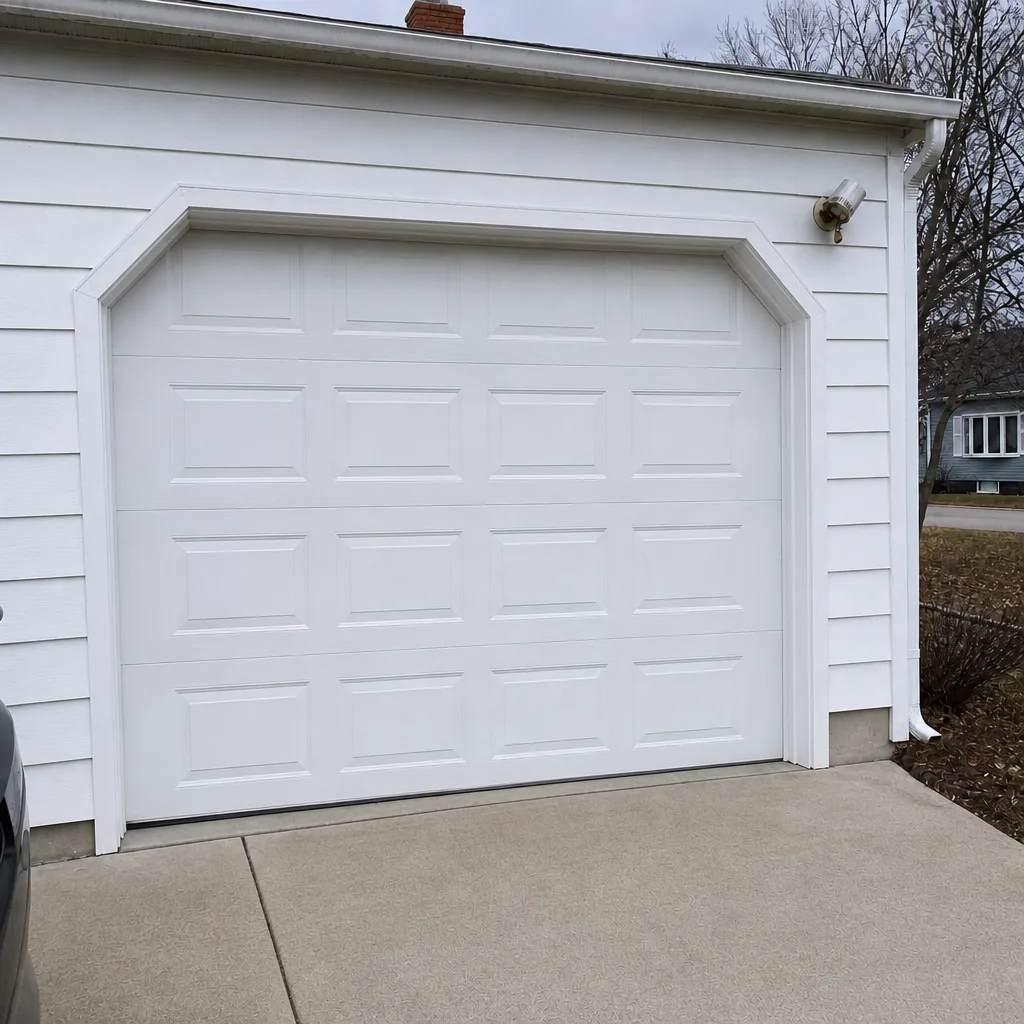
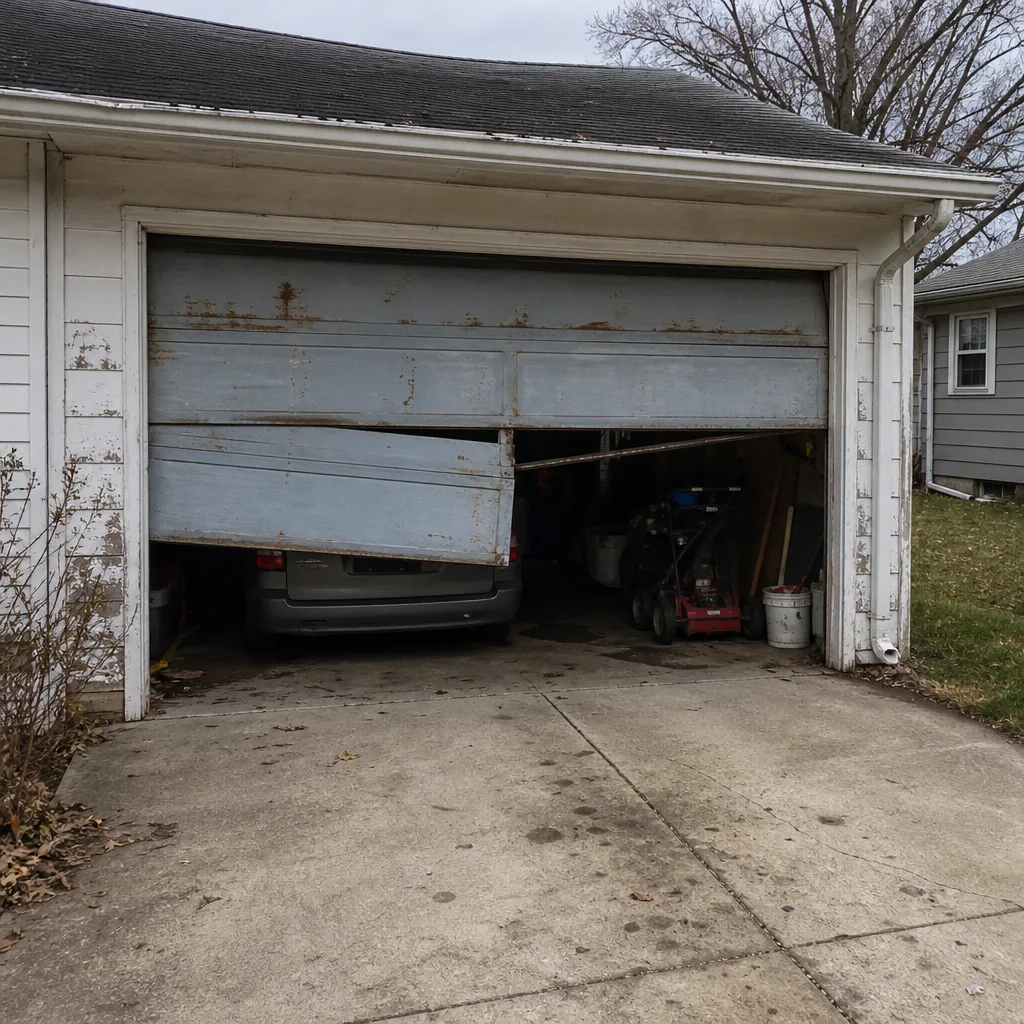
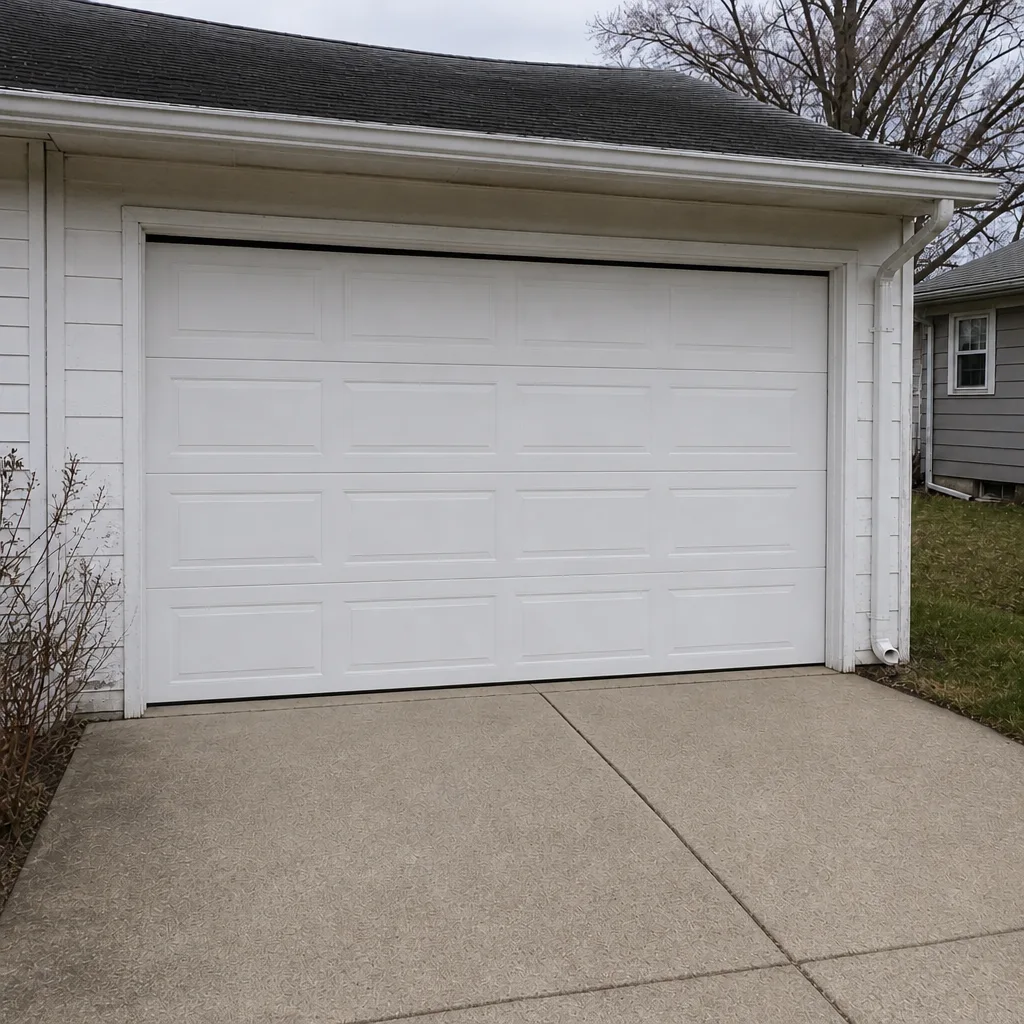
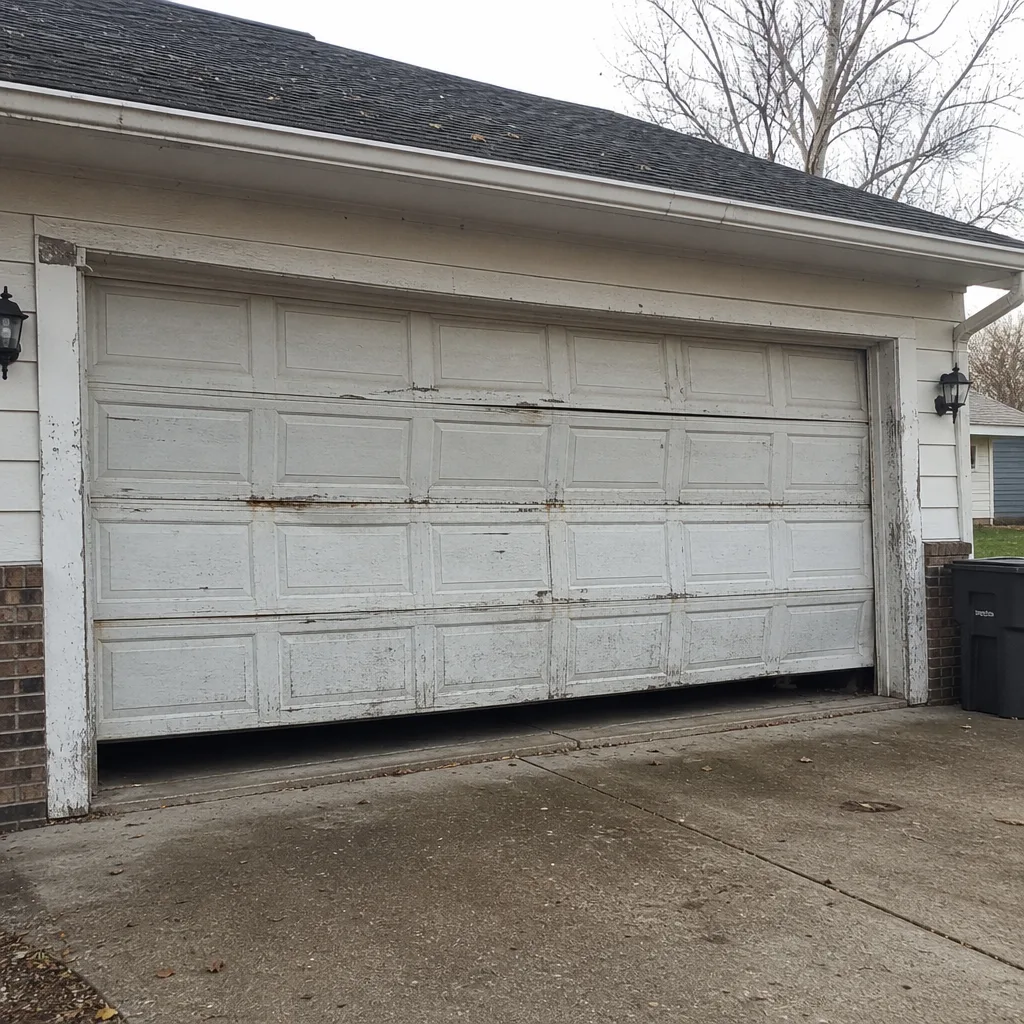
See the difference
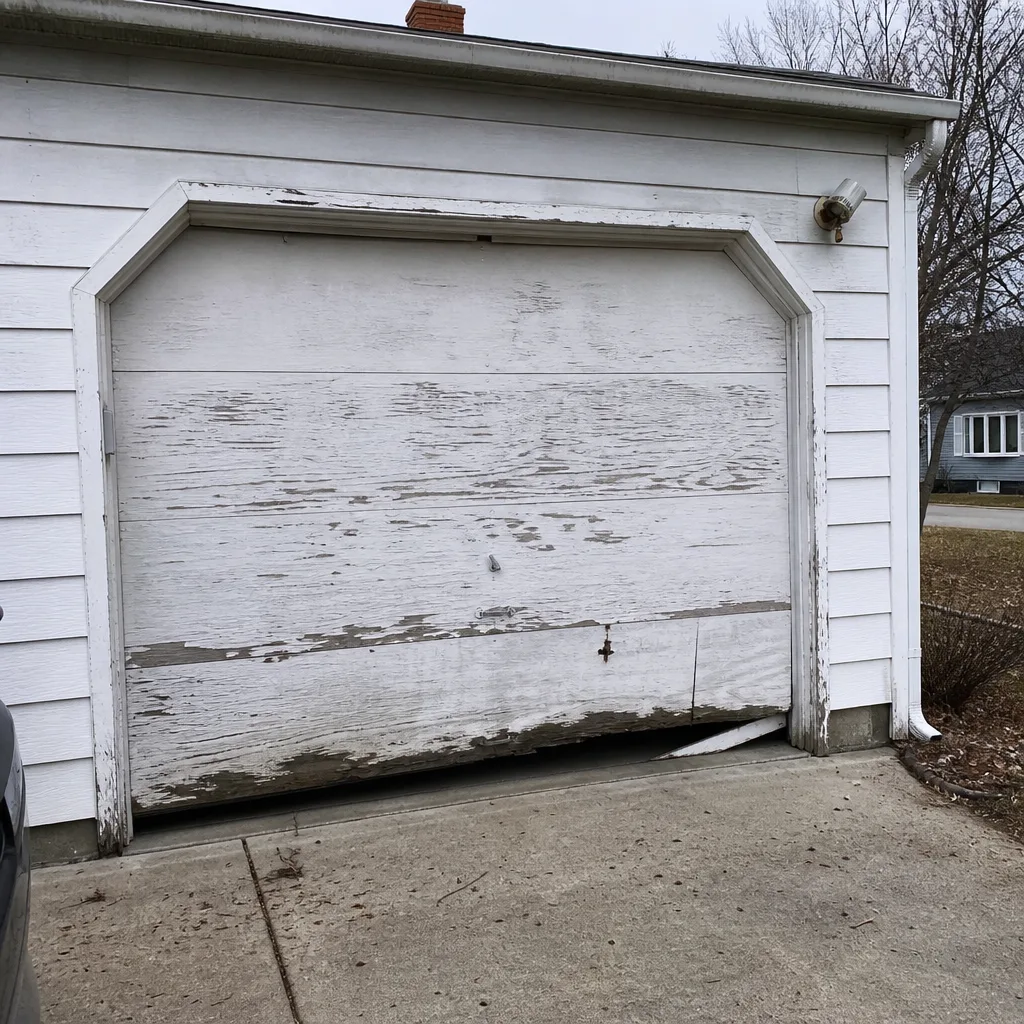 Before
 After
 Before
 After
 Before
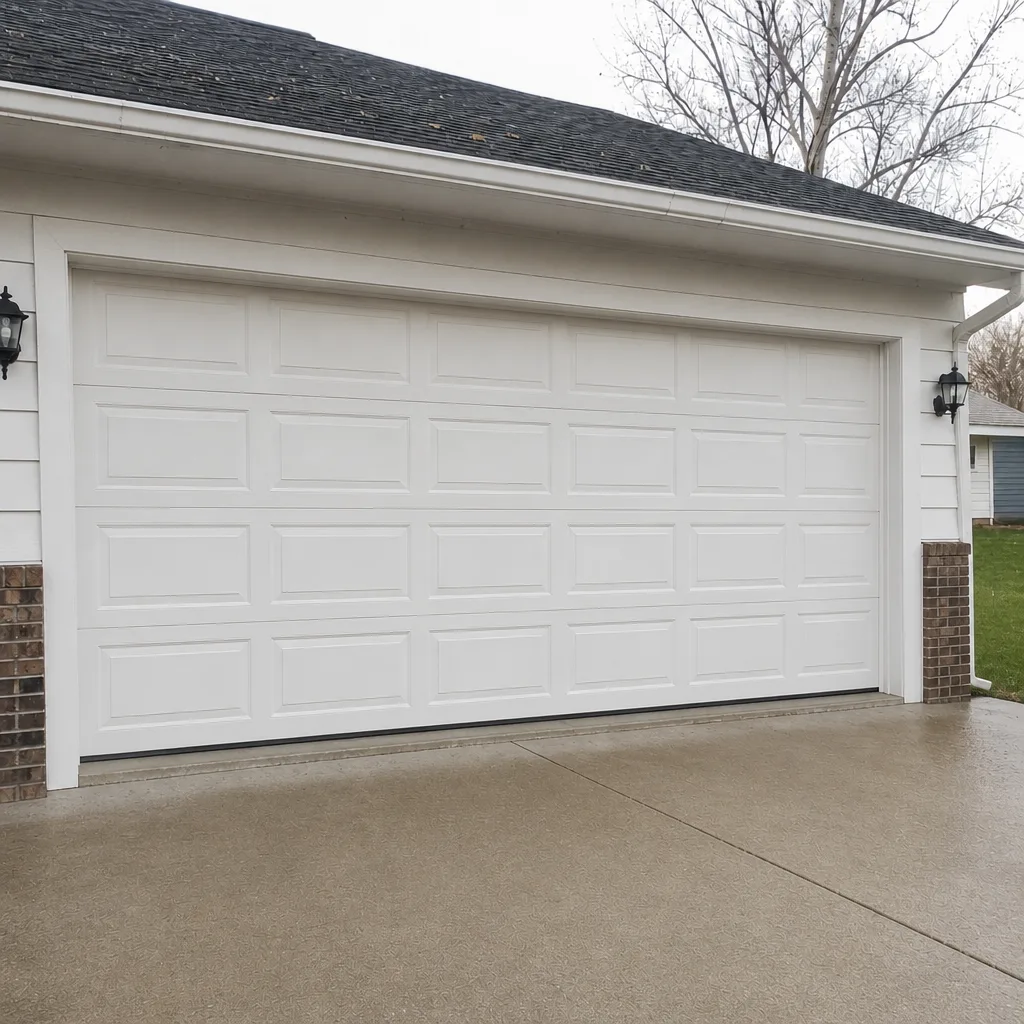 After